Details can be found here.
Mr Kydd.
Details can be found here.
Mr Kydd.
All,
There is still a month left to see this excellent exhibition at the British Museum. I went over half term, and it really is special. Details below.
https://www.britishmuseum.org/exhibitions/legion-life-roman-army
Mr Kydd.
Paper 2
Paper 3
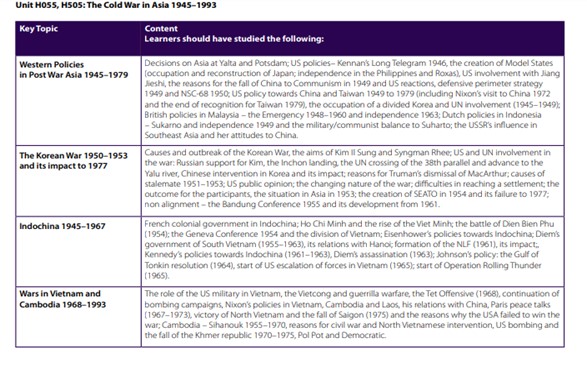
| The impact of factors directly related to the conduct of war | Generalship and its impact; | Introduction to Course; Warfare in 1792 Changing nature of generalship during the period.Examples of good / bad generalship:Revolutionary and Napoleonic Wars e.g. Napoleon, Davout, Scharnhosrt, Gnieisenau, Wars of the mid-century e.g. Helmut von Moltke, Robert E Lee, Ulysses S Grant, Raglan, Cardigan, leadership in the Boer War, First World WarSecond World War |
| quality of soldiers including professional armies and volunteers and their impact; | Armies of the age of dynastic warfare – tended to reflect social structureNon-commissioned officerGrowth of professional armyIntroduction and impact of conscriptionDevelopment of guerrilla warfare e.g. GaribaldiCitizen army | |
| the development of strategy, the aims of campaigns and their determination; | differing aims of war – e.g. protection, end of slavery, Atlantic CharterConcept and examples of Grand strategyChanging nature of strategies, including economic warfare |
| Topic | Indicative content from specification | Extended Content |
| the development of tactics, shock tactics, cult of the offensive; | Differing strategies employed during campaigns, introduction of long-range/new weaponry, faster troop movements.Shock tacticsthe cult of the offensive e.g. Schlieffen plan, Normandy beachheads | |
| the work of military theorists; | Examples include The Compte de Guibert General Essay on Tactics 1772Marshal de Saxe ( 1732)Jena Baptiste de Gribeauval (French Artillery Regulations1776)Chevalier du Teil ‘A new use of artillery in field warfare’ (1778)Pierre de Bourcet Principles of Mountain Warfare 1764-71Antoine Jomini Treatise on major military operations 1804-11; Summary of the Art of War 1838EB Hamley, The operations of War 1866Carl von Clausewitz On War (1832)Charles de Gaulle ‘Towards a Professional Army’ 1934 Basil Liddell Hart Strategy, the Indirect Approach, 1929Giulio Drouhet The Command of the Air (1921) | |
| The concept of ‘Total War’, the involvement of civilians, casualties. | French Revolutionary Convention in August 1793Development and examples of Total war | |
| Depth Studies | The French Revolutionary Wars 1792-1802How far did the quality of leadership bring about a change in nature in the nature of warfare between 1792-1802?The American Civil War 1861-1865How important was the quality of leadership in the American Civil War?The Western Front and the First World War 1914-1918How far was poor leadership the reason for indecisive warship and heavy casualties? | |
| The Impact of Technological Change | Industrialisation and technology; | Technology in 1792Importance of technological developments and industrialisation in determining the nature and outcome of wars:The revolutionary and Napoleonic wars – minor impact, after more significantCrimea – Britain had vastly superior technologyAmerican Civil War – significant role – out producing enemy as important as outfighting themWars of unification – Austria’s lack of developmentRusso-Japanese war – Japanese superior troop movementWW1 – massive developmentsWW2 – even more development – very dependent on industry |
| developments in communication and transport including telegraph, radio, telephone and radar, steamboats, railways, internal combustion engine; | Developments throughout the period, including troop movements, railways, electric telegraph, aeroplanes, sea transport, development of the combustion engine. How developments impacted on warfare during the period, including the importance of quick communications (e.g. telegraph, radio and telephone), and troop movements in determining the outcome of wars. Use of radar to support / counteract movement. | |
| Development of weaponry including the rifle, artillery developments, machine gun, tanks, aeroplane. | Development of weaponry changed significantly throughout period.The revolutionary and Napoleonic wars – musket-bayonet, artilleryCrimea – percussion cap ignition, minie bullet, American Civil War – rifle musketWars of unification – further development of infantry. Needle-gun, breach-loading rifled canon, mitrailleuseRusso-Japanese war, minefields, sea power. WW1 – high explosives, artillery range, recoilless canons, rifle, machine gun, impact of tranches on weapons, chemical warfare, tanks, artillery, infantry weapons, air warfareWW2 – tanks, motor vehicles, airpower, sea power, atomic weapons. | |
| Depth Studies | The French Revolutionary Wars 1792-1802How important were developments in weaponry?The American Civil War 1861-1865How significant were developments in transport in the American civil war?The Western Front and the First World War 1914-1918How important were developments in weaponry? |
Overview
You will do a full Paper One – 90 minutes
Content
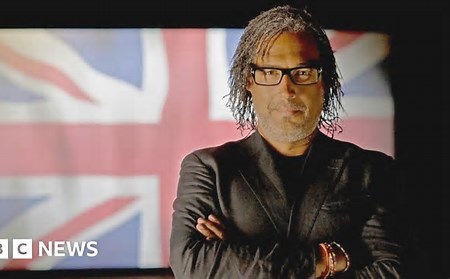
If you click here you will get to a link where David Olusoga introduces his new BBC series. He suggests that Britain is becoming more divided. Read the article, and if you like watch the programme. Do you agree with him? If so, does it matter? Is it reservable?
The United Kingdom is becoming less and less united, says historian David Olusoga – not just along its borders but within each of its four nations. How can the union’s ties be renewed?
“London’s much more dominant than it was when I was growing up,” Mr Olusoga says. “In the 1970s, Britain was a much more equal society than it is today.” Few other capital cities have a profile as powerful as the UK’s, he says. “Most nations have a capital city that is not enormously out of scale with the other cities.” Olusoga says London’s dominance shows how divisions in the UK’s union do not just run along borders but within nations themselves.
The historian – who has a new BBC Two series about the story of the union of the UK – grew up during the de-industrialisation of north-east England in the 1980s. The closure of factories, coal mines and shipyards swept across the region, causing widespread job losses and unemployment. More than half a century later, it is not possible – he says – to “rely on industry spreading wealth and opportunity around the four nations”. “We talk about left behind towns. We talk about levelling up,” he says.
“The urgency of doing something, I think, is apparent to many people, journalists, politicians, and whether we can rise to that challenge and in some ways, renew our bonds, renew the union.
Mr Kydd
If you click here you will get to an article that suggests not – “call him a kleptocrat, an oligarch, a xenophobe, a racist, even an authoritarian. But he doesn’t quite fit the definition of a fascist”…
Below is a talk that argues that he is. Explore both and tell me which argument you agree with more?
Mr Kydd.
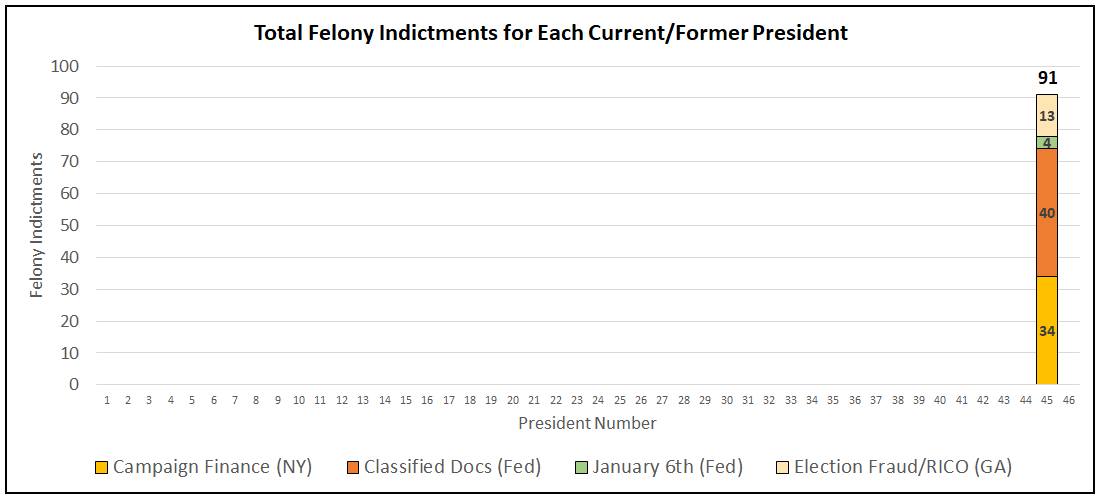
You might like to listen to this episode of Americast (BBC correspondents discuss the significance of the latest indictment) and then watch the Times Radio report.
Mr Kydd
“I’ve seen this going forward a long time…American democracy is at stake here” Donald Trump has been indicted for his involvement in the attack on the US Capitol Times Radio’s Adam Boulton discusses what it means for Trump and the United States as a nation.
If you click here you will get to a BBC article suggesting that an agreement to return the Parthenon Sculptures – better known in the UK as the Elgin Marbles – is at “an advanced stage”
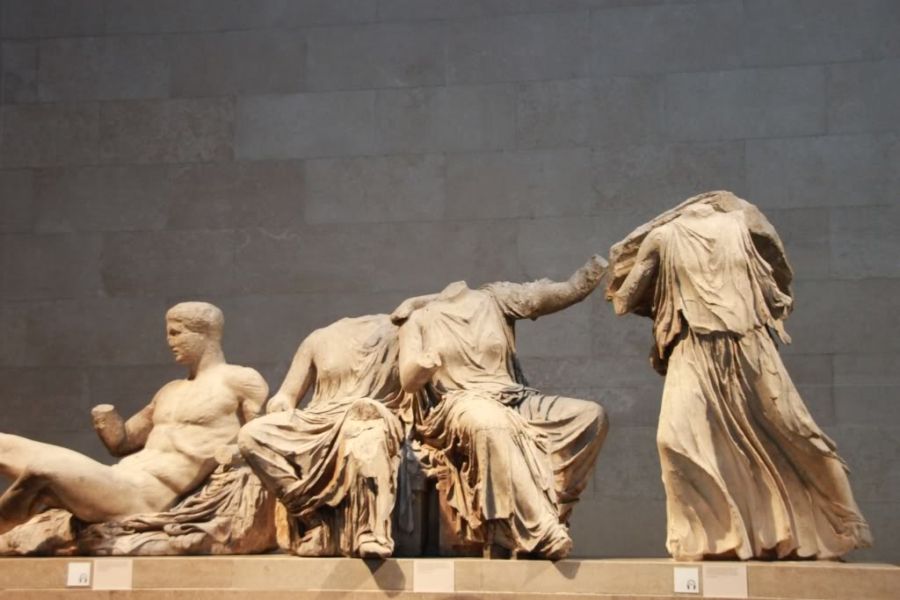
“Greece has called for the return of the iconic sculptures for decades. The Parthenon Sculptures are arguably the most high-profile artworks in the increasingly contested debate about whether museums should return items to their countries of origin. They were removed from the Parthenon temple in Athens in the early 19th Century by the British soldier and diplomat, Lord Elgin. The sculptures were then bought by the British government in 1816 and placed in the British Museum.”
CLICK HERE for some of the arguments for and against their return. Which do you agree with more? Why?
Mr Kydd.
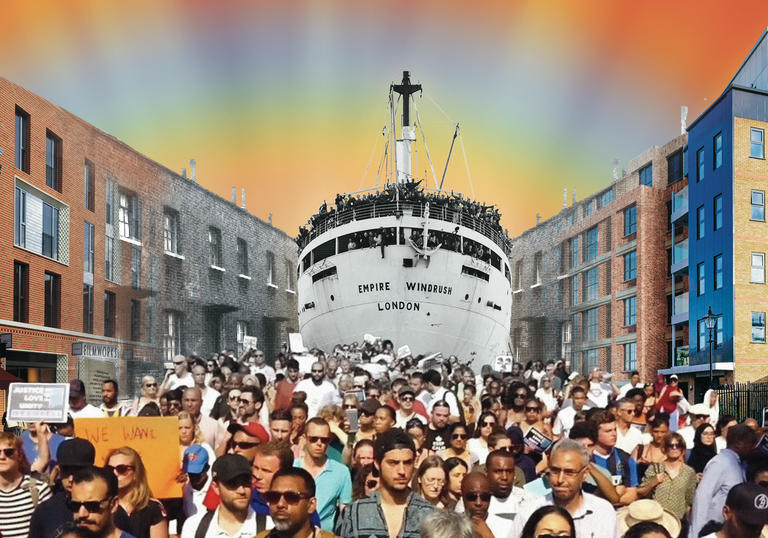
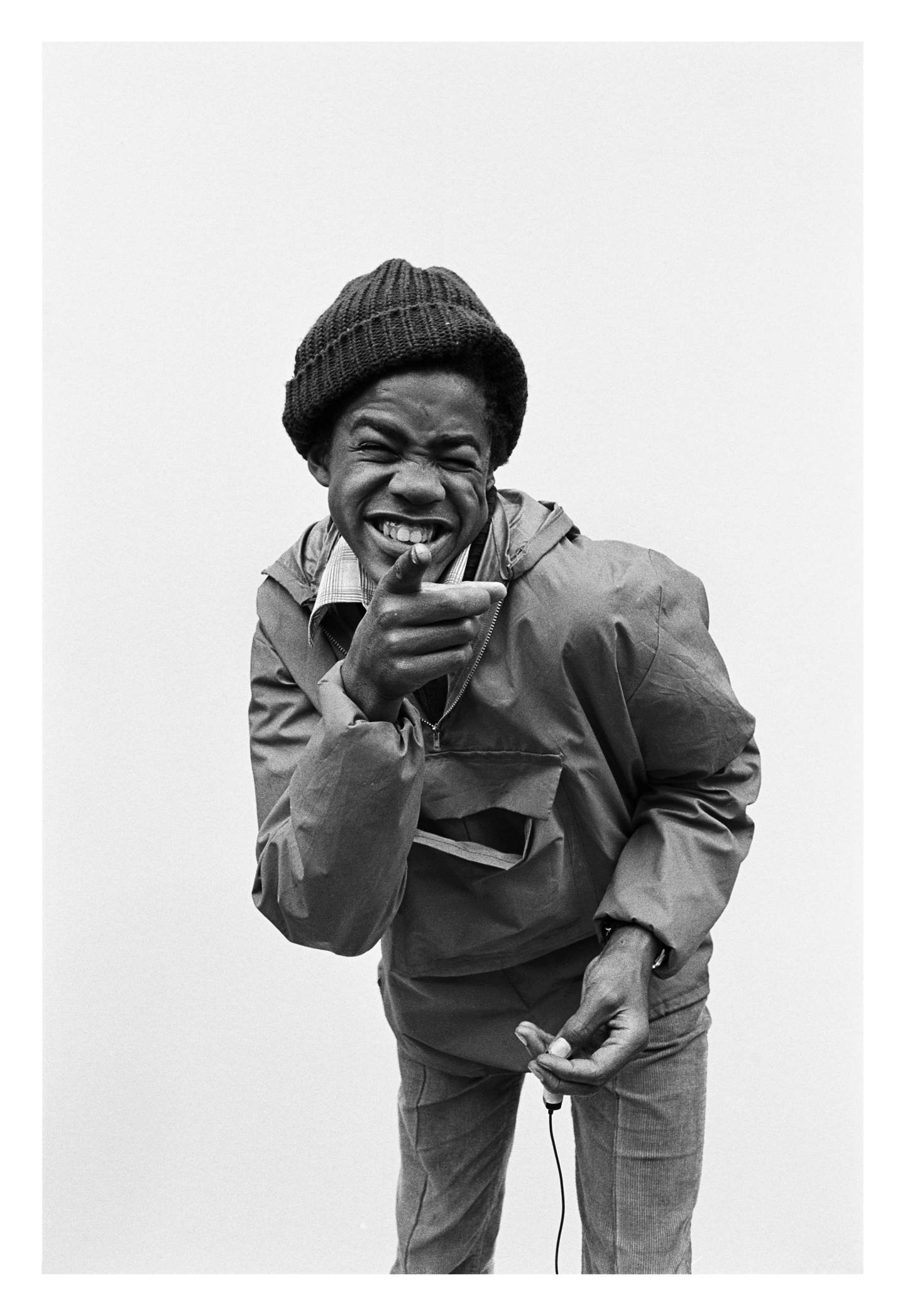
Have a read and see what you think. You might also like to explore the links below. They explain who the Windrush generation were, what we owe them, and the Windrush Scandal.
We put the Great in Great Britain
Who are the Windrush generation?
Mr Kydd