25 maps that explain the English language

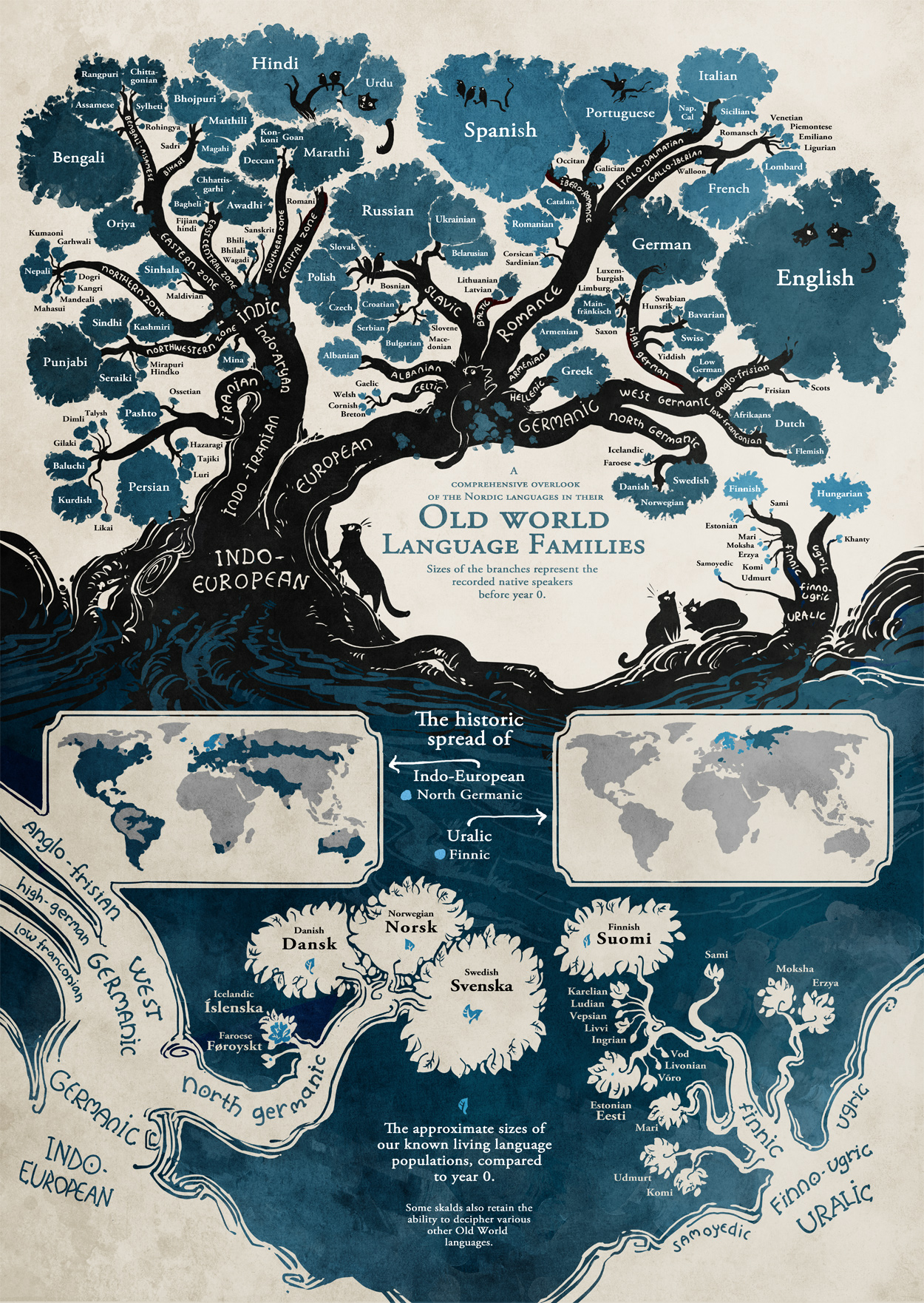
196_0Something a bit cross curricular today. If you click here you will get to a website that claims to explain the English language in twenty five maps.

Obviously this is great for you English language students, but as historians we could perhaps reflect on the link to our subject. What do these maps tell us about British (or perhaps English) history ?

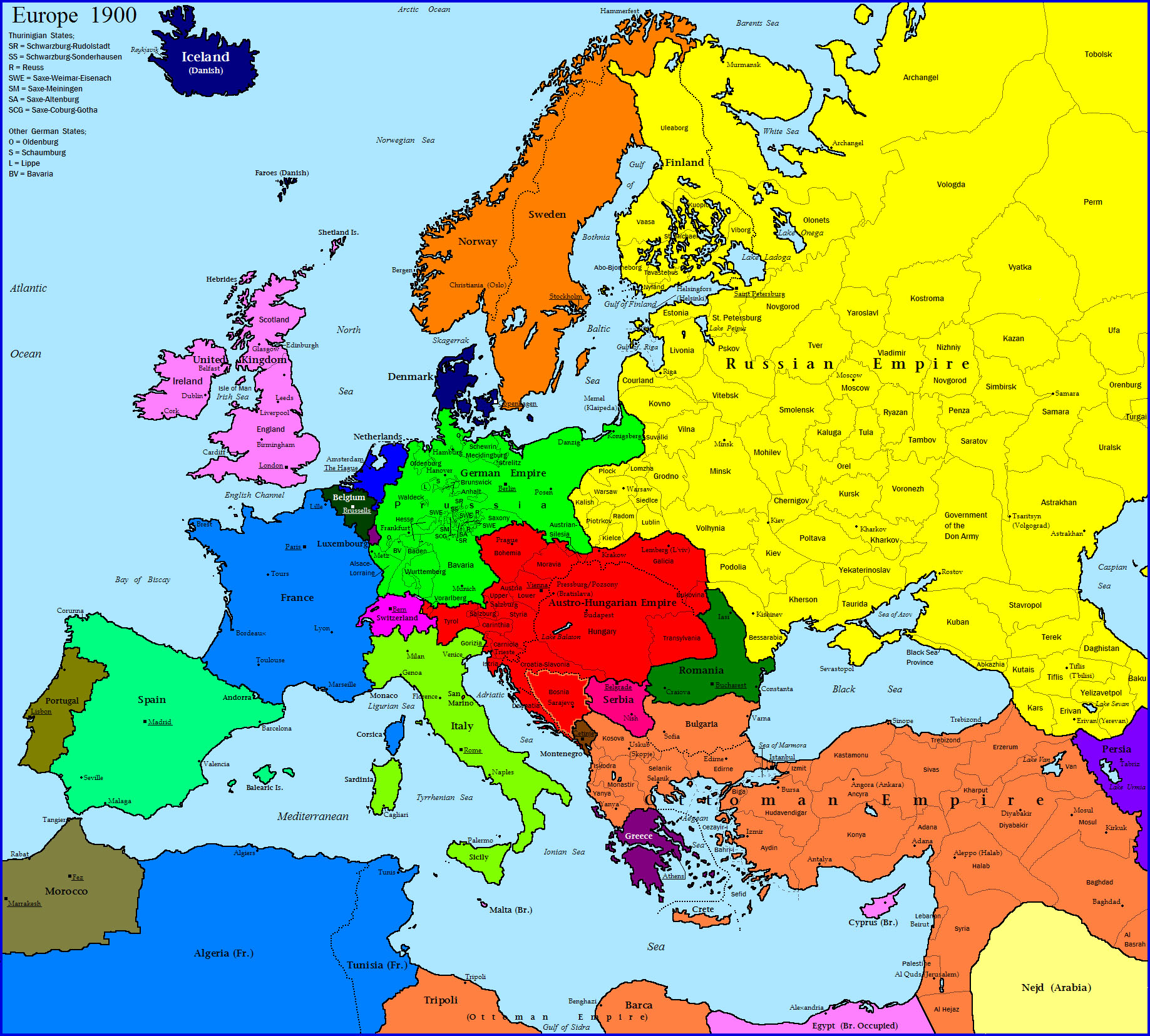
Failing that, you may like to look at this map which attempts to show the changing borders of Europe in three minutes. How much of it do you understand ?


Mr Kydd.

Posted in Enrichment, maps | Comments Off on 25 maps that explain the English language

Extension materials – Elizabeth I’s war with England’s Catholics

Catholic%202

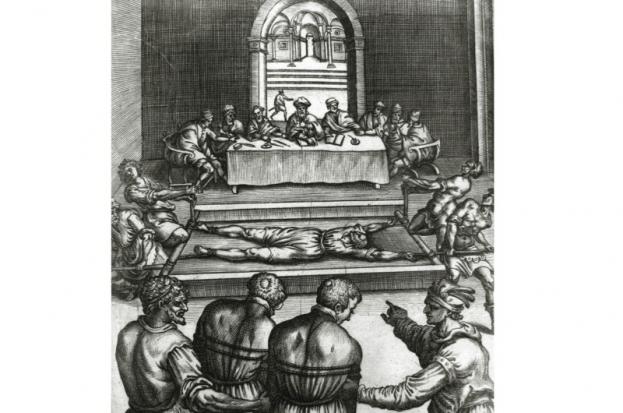
Edward Campion meets his fate

If you click here you will get to Jessie Childs’ article in History Extra.

In it, she asks explains that given that “England’s Elizabethan Catholics were public enemy number one. Their Masses were banned and their priests were executed”. She continues to ask “what was life like for ‘recusants’ and ‘church papists’ in a hostile Protestant state” ?

Other useful sites to support your work;

Here you can find the more simple S-cool revision site. Useful if you want to secure basic concepts.

Here J.P.Sommerville explores the three phases of Elizabethan Catholicism

Here Elizabethi.org explores why and how the relationship between the monarch and her Catholic subjects worsened

Posted in The Later Tudors | Comments Off on Extension materials – Elizabeth I’s war with England’s Catholics

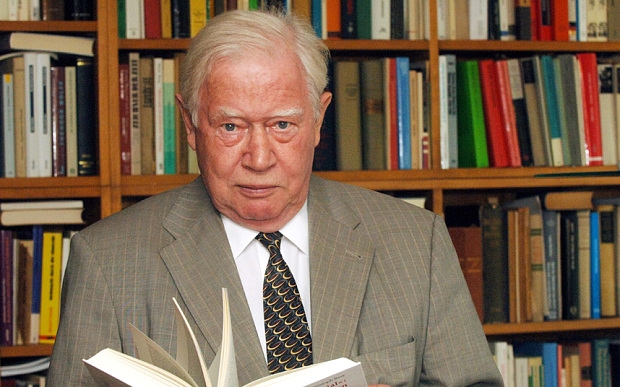
Obituary – Hans Mommsen

mommsen_3499897bAll,

With our interpretations and evidence posters now complete, next week is going to be very important for us. We are going to plan and write a past paper on the causes of the First World War debate.

As you know, there is another controversy question later in the course. This focuses upon the nature of Nazi government. In particular, the key question asked is was Hitler a weak dictator ? A key figure in this debate was Hans Momsen (who died this month).

As his Daily Telegraph obituary argues, “one of Mommsen’s key themes was that moral responsibility for the evils of the Third Reich could not be laid solely at the door of the Nazi leadership but had to be shared more widely. Starting with Civil Servants in the Third Reich (1966), Mommsen maintained that the crimes of the Nazi period had required the active involvement of many different groups in German society, including business leaders, the aristocracy, the judiciary the civil service and the military, rejecting the traditional view in Germany that they had been the work of a few criminals entirely unrepresentative of German society as a whole“.

Have a read and see what you think.

Mr Kydd.

Posted in Enrichment, Germany Kaiser to Furhrer course, historians, Obituaries | Comments Off on Obituary – Hans Mommsen

Enrichment – Interactive Crusades map

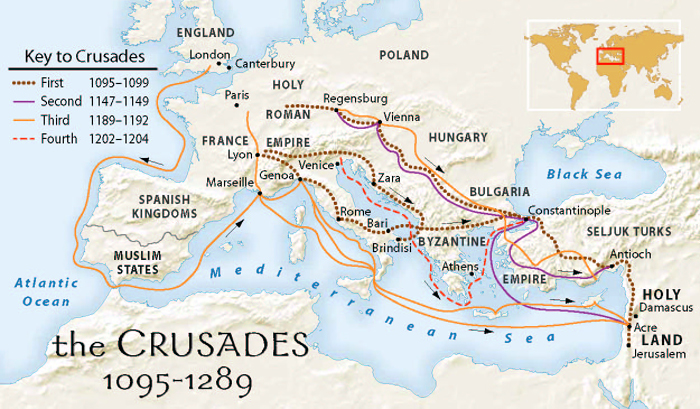
crusades_finalIf you click here you will get to an excellent History Today interactive map that attempts to pick out some of the key milestones in the history of that conflict. Like my earlier post on Syria, perhaps its real lesson is to highlight how complex it was.

Have a look an see what you think. If you want to know more, then each map is linked to past History Today articles. I have the school password which will allow access.

Mr Kydd.

Posted in Enrichment, maps | Comments Off on Enrichment – Interactive Crusades map

Causes of the First World War support materials

MorrocoAll,

As promised the map we were using last lesson. This is more useful than the text book ones because it reflect the collapse of the Ottoman Empire – thus showing how Morocco and the Balkans are two sides of the same problem.

You may like to note also,


  • Germany has no obvious interest in either theatre (another Bismarckian principle gone).
  • The logic of French interest in Morocco.
  • The chaos of Austro-Hungarian boarders in an age of nationalism.
  • The legitimacy of German fear of Russia and Einkreisungpolitik. 

STOP PRESS

Callum’s excellent find to “beef up” the defensive war argument can be found here.

You should also really  watch the great man in action. Below AJP Taylor convinces the world (for a few weeks) that the First World War started because of the Russian railway timetable. This obviously fits into the war plans argument.

Posted in Enrichment, Germany Kaiser to Furhrer course | Comments Off on Causes of the First World War support materials

Understanding the war in Syria

The war is Syria is of course extremely complicated, and is increasingly impacting on us. The following 5 minute video is perhaps a useful summary. We should however of course be aware that different groups will see these events and actions in different ways. Even so, this focuses on the what and the who, and as such is a useful starting point.


Mr Kydd.

Posted in Enrichment | Comments Off on Understanding the war in Syria

The best website ever…

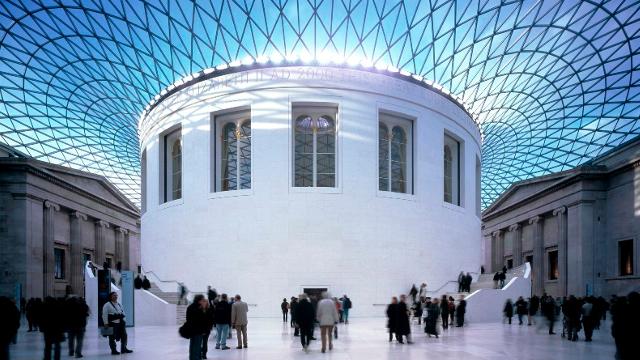
09fb98cc65cd024b02f0f7899678a426Click here to explore the British Museum with Google, it’s claim to have “2 million years of history at your fingertips” is no idle boast. You can find everything from the Rosetta Stone, to the Sutton Hoo helmet to Egyptian mummies.

Hopefully an online journey would encourage you to spend an afternoon there. It is free, and has many special exhibitions.

The main British Museum webpage can be found here

Mr Kydd.

Posted in Enrichment | Comments Off on The best website ever…

The historical debate around the origins of the First World War: an introduction

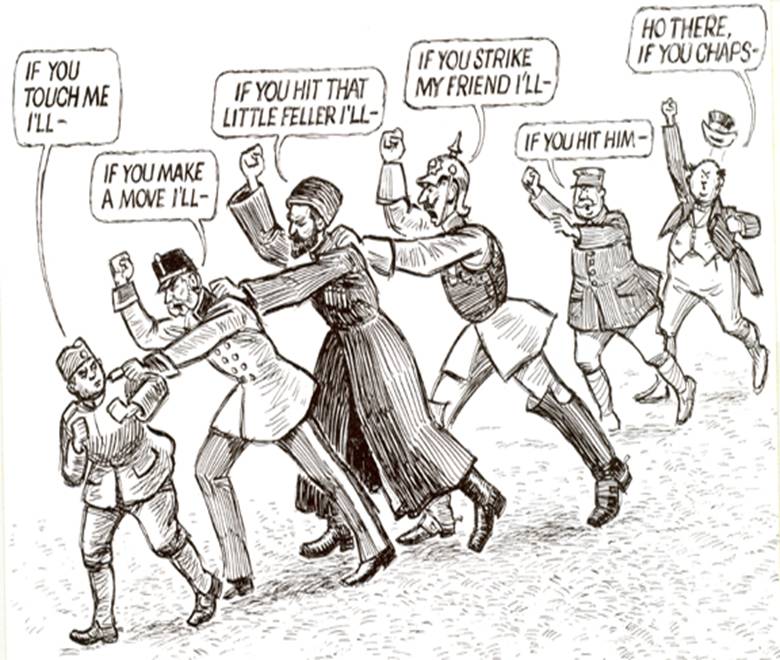
Chain of Friendship WWIPlease click here for an excellent article from the This Week website. It outlines the historical debate well, and then considers which country should take most of the blame.

“The question of which country or countries caused the war is sometimes flipped on its head by scholars who have asked which countries – had they conducted themselves differently – could have prevented it.

On the BBC website, military historian Sir Max Hastings says that while no one nation deserves the blame alone, Germany is more guilty than most, as “it alone had power to halt the descent to disaster at any time in July 1914 by withdrawing its ‘blank cheque’ which offered support to Austria for its invasion of Serbia.”

Sir Richard J Evans, Regius professor of history at the University of Cambridge disagrees, arguing that Serbian nationalism and expansionism were the root cause of the conflict. “Serbia bore the greatest responsibility for the outbreak of WW1,” Evans says, “and Serbian backing for the Black Hand terrorists was extraordinarily irresponsible,”

Other leading scholars believe the blame should be shared equally between all the main players: Austria-Hungary, Germany, Serbia, Russia, France, the Ottoman empire and Britain. The “fatal mixture of political misjudgement, fear of loss of prestige and stubborn commitments on all sides of a very complicated system of military and political alliances of European states” led to the descent into all-out war.”

Please read and note with care.

Mr Kydd.

Posted in Germany Kaiser to Furhrer course | 1 Comment

Agincourt 600 – will it will soon be time to re-think remembrance ?

Despite claiming to be a historian when I think of Agincourt it is always this speech that I come back to, and if I am honest with some very real pride. However, if you click here you will get a different view in Martin Kettle’s article (this weekend marks the 600th anniversary of the battle) in The Guardian.

He is really making two pints. Firstly he suggests “Agincourt should not be a source of pride or any other emotion. We today are not the victors of Agincourt. As 21st-century Britons we no more own the victory at Agincourt than we have responsibility for the slaughter of the French captives after the battle.”

He then continues by considering Remembrance, stating “at some point in the future,  we will begin to let go of these rituals. One day, the head of state will no longer lay a wreath at the Cenotaph in November for the long-distant dead. One day, MPs and TV newsreaders will not feel the press of obligation to wear poppies on all public appearances or else risk charges of being unpatriotic from newspapers owned by tax exiles.”

It is a provocative article, read it and see what you think.

If you want to know more about Agincourt you might like explore the Agincourt 600 website. Below is an excellent documentary on the battle, and in this article Dr Sean McGlynn argues that there were nine medieval battles more significant than it.

Mr Kydd.

Posted in Enrichment, history in the news | Comments Off on Agincourt 600 – will it will soon be time to re-think remembrance ?

Useful websites

Useful-websitesYear Thirteen,

As discussed in class, there are two really useful websites for this course. Can you please bookmark (and then use) the following;

If you are unable to attend history society, you may like to watch the following (try to write down the three to four key points).

Mr Kydd.


Posted in Enrichment, Germany Kaiser to Furhrer course | Comments Off on Useful websites