Once again a huge thank you to Jade for copying up the class work. This model interpretations paragraph that we worked on in class can be found here . You should look at it before undertaking your Easter mock examination.
Mr Kydd.
Once again a huge thank you to Jade for copying up the class work. This model interpretations paragraph that we worked on in class can be found here . You should look at it before undertaking your Easter mock examination.
Mr Kydd.
All,
As promised.
1. Reputations – Albert Speer – The Nazi who said sorry.
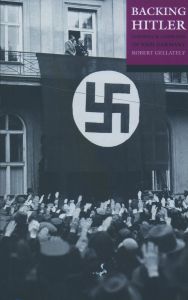
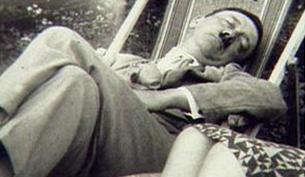
2. The fatal attraction of Adolf Hitler
3. Twin Tyrants
With the election pending, try this test to see how your opinions fit in with the current political parties and their policies. It helps explain that politics is relevant to your life and that without realising it you do care and understand more than you know. Please make sure that you are registered and then use your vote.
2015 is of course very much a year of anniversaries, and I thought that I would use this post to collect some of the better articles.
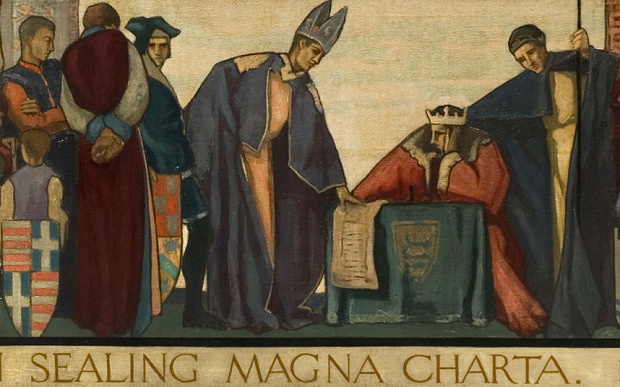
This article from the Daily Telegraph is a good start. It looks at the Magna Carta and asks “what exactly is Magna Carta? Why was it granted? Does it really speak to the principles of democracy, liberty and human rights with which it is so often associated? And what is the purpose of the charter – if it has one – today?”
This article (also from the Daily Telegraph) attempts to explain Why we must remember the bloody cost of Waterloo.
Click here for the BBC Radio 4 In Our Time programme where Melvyn Bragg and guests discuss the Battle of Agincourt.”Owre kynge went forth to Normandy, With grace and myyt of chivalry; The God for hym wrouyt marvelously, Wherefore Englonde may calle, and cry Deo gratias: Deo gratias redde pro victoria.” The great victory was Agincourt as described in the Agincourt Carol, when the ‘happy few’ of the English army of King Henry V vanquished the French forces on St Crispin’s Day 1415. It is a battle that has resounded through the centuries and has been used by so many to mean so much. But how important was the battle in the strategic struggles of the time? What were the pressures at home that drove Henry’s march through France? And what is the cultural legacy of Agincourt?”
Enjoy,
Mr Kydd.
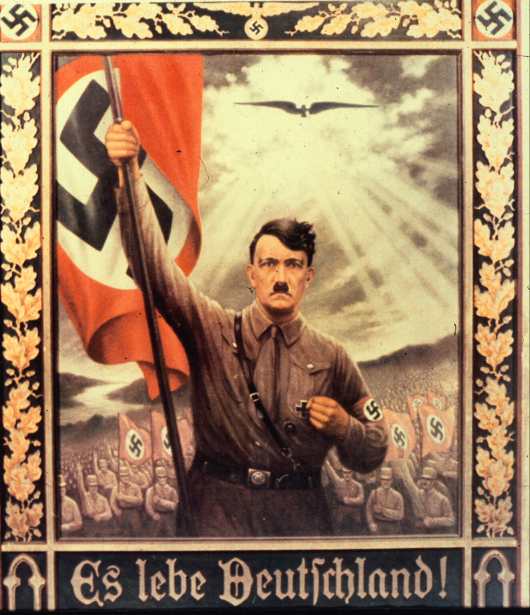
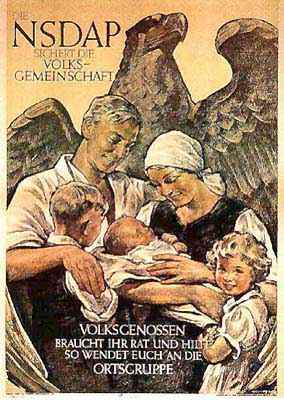
Following on from today’s lesson, have a look at this collection of Nazi propaganda poster (upto 1933). Later posters can be found here (1933 – 1939) and here (1939 – 1945). The first page is most useful to us at this stage. Note how different groups are targeted with different messages.
Mr Kydd.
This is an idea that we will return to in future lessons, but following on from today’s lesson, if you want to develop your understanding of Volsgemeinschaft then have a look at this article.
Mr Kydd.
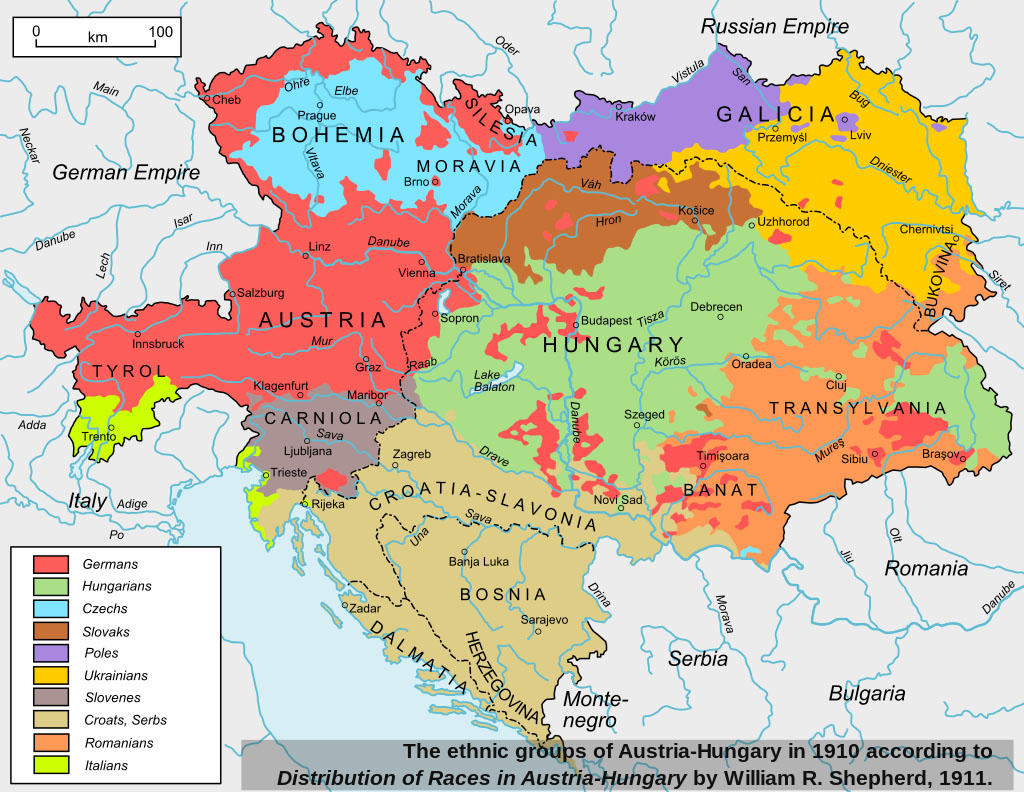
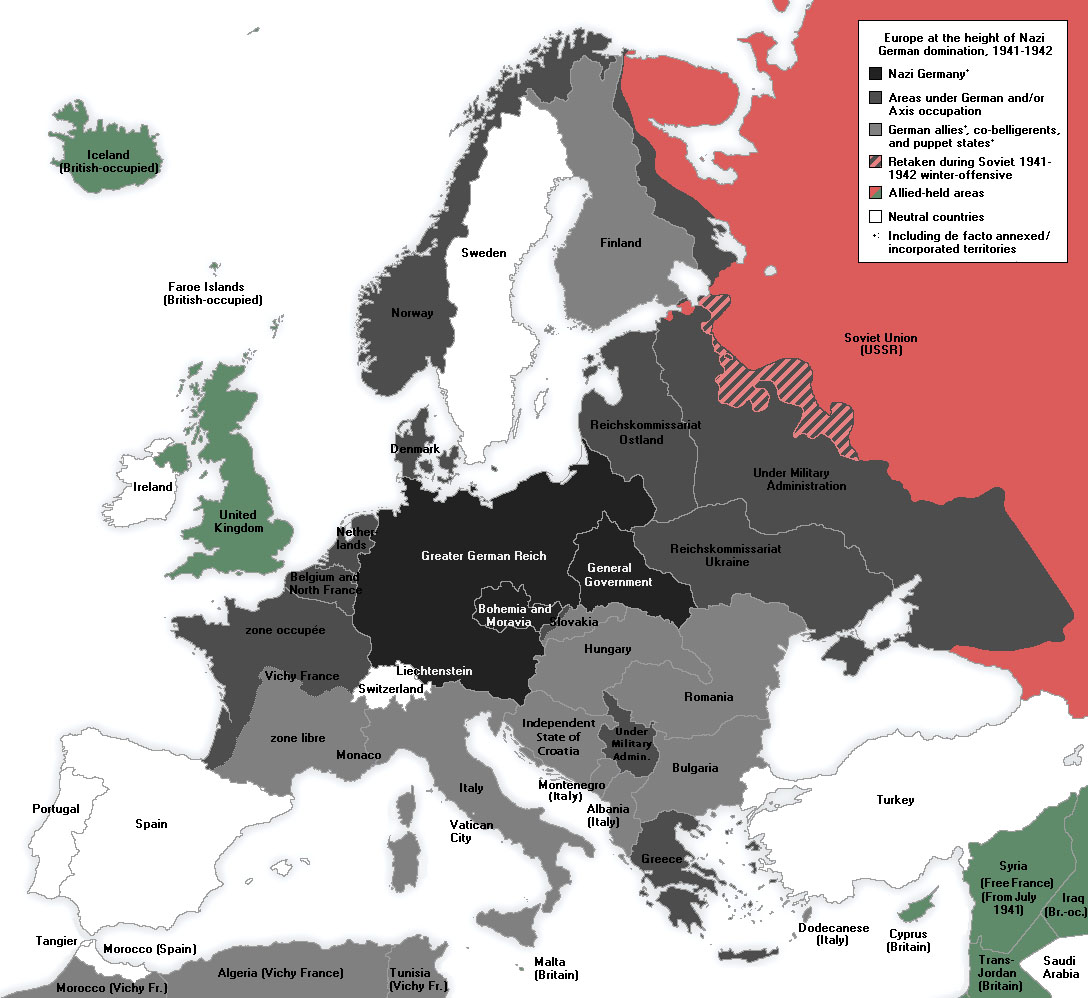
Those maps from today’s lesson. The first of course reflects the extent to which self-determination was denied to Germany by the victorious allies in 1919. The second is a map showing the maximum extent of German territory in
the Second World War. The slavic areas to the east of Germany were the orginal targets of lebensraum. An interesting question here how different this is from earlier German nationalist ideas of Mitteleuropa…
Have a good half term,
Mr Kydd.
There is a lovely article here from the BBC news magazine about the work of David Hlynsky. After the collapse of the Iron Curtain he photographed as much as he could of the quickly disappearing Communist world. The article focuses on the a tantalising set of still-life pictures of shop windows, which offer a glimpse of life in the old Communist cities. It states, “in the introduction to a book of the project published by Thames & Hudson, Hlynsky relates his experiences. He notes that the shops of the East hid as much as they revealed about the real economy. The arrival of new stock was passed by word of mouth, he says, which meant advertising was replaced by rumour and gossip. People in the know would stockpile items while they were available, then later trade for other goods.”
If you want to know more about his work then his website is here .
Mr Kydd.
If you click here then you will get a lovely article from today’s Independent about Robert Lockyer. It suggests that as Crossrail continues, “archaeologists could be about to unearth the musket-shot-riddled remains of one of Britain’s great left-wing heroes. Executed by firing squad in April 1649, Robert Lockyer was an activist in England’s first democratic political movement, the Levellers. Archaeological excavations due to start early next month at Liverpool Street in central London could locate his final resting place.”
Mr Kydd.
If you click here then you will get to an old edition of In Our Time. In it Melvyn Bragg and guests discuss the study of history. The programme guide information follows.
“One of the debates raging in the practice of history is between the history of facts versus the imagination – a debate raised again by so-called ‘faction’ – fiction based on documentary facts which is so much in our minds today from films and television. But in fact it is a debate which has been going on throughout the century within history. The 19th century historian Thomas Macaulay wrote that History is under the jurisdiction of two hostile powers; and like other districts similarly situated it is ill-defined, ill-cultivated and ill-regulated. Instead of being equally shared between its two rulers, the Reason and the Imagination, it falls alternately under the sole and absolute dominion of each. It is sometimes fiction and sometimes theory. Why is the study of history important? Is history relevant to us today? Are the truths likely to be yielded from history closer to those disclosed in great novels than the abstract general laws sought by social scientists? And what is the role of imagination in the writing of history?”
Mr Kydd