Obituary – Churchill’s biographer – Martin Gilbert

GilbertYou may have noted that the 24th January marked the 50th anniversary of the state funeral of Sir Winston Churchill. As this Radio 4 programme by  Sir David Cannadine and this BBC news magazine article reflect, Churchill was a complex and often controversial man.

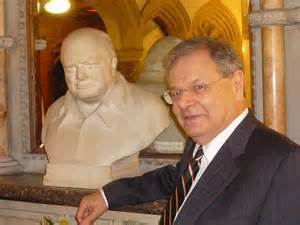
I first came across such issues in Martin Gilbert’s 1980 biography of the great man – Churchill. It is a work of great intellectual strength which in many respects belonged to a different age. As Larry P. Arnn comments, “Gilbert utterly rebelled against the view that the facts of history change with time. In this way he agreed with the classics. He wrote the biography faithfully, from primary-source materials and with the greatest care to tell the story as it happened.” It certainly taught me the importance of attention to detail in effective history. As such, Martin Gilbert was in many respects the historian’s historian,  and in a strange synchronicity he died this week. You can read Arnn’s obituary in the Wall Street Journal here.

Mr Kydd.

Posted in Enrichment, historians, Obituaries | Comments Off on Obituary – Churchill’s biographer – Martin Gilbert

Pulling Weimar together…

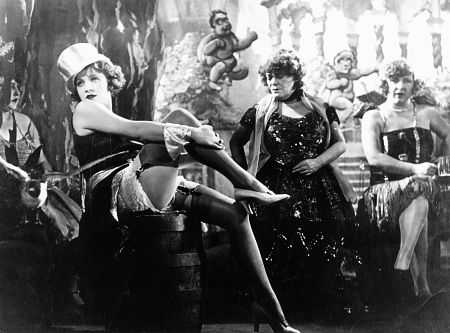
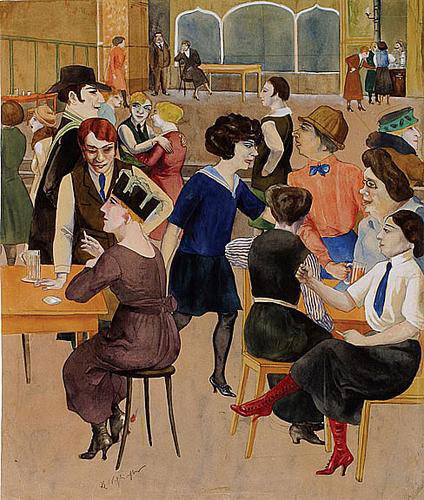
blue_angel2A couple of  useful links to look at before youe write on Weimar Germany. If you click here then you will get an excellent discussion of Weimar Germany from Stephen Tonge. To us it is probably most helpful as a securing overview and for some excellent bits of hard evidence. If you want something a bit more visual, then perhaps you might linke to click on the Youtube video below – it asks Was Weimar Germany a golden Age ?

stab in the back

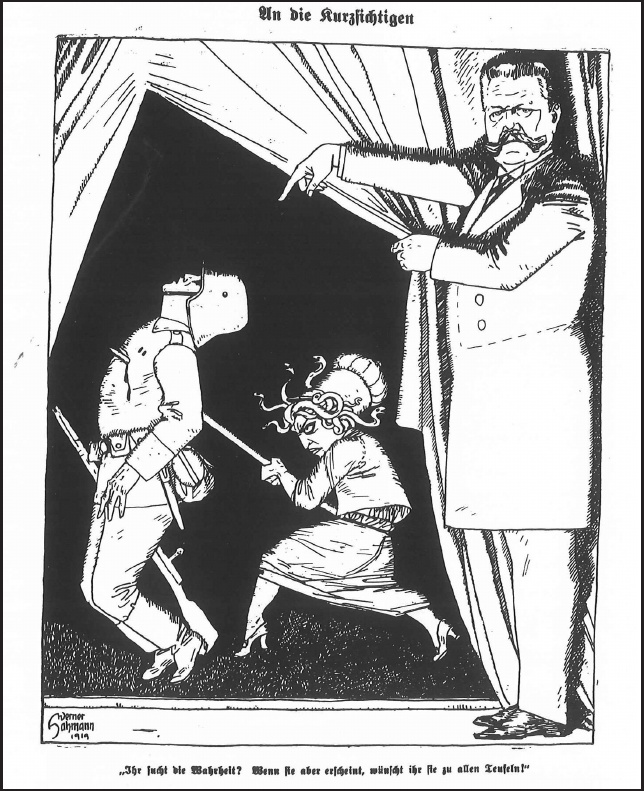
Finally the cartoon representation of the President Hindenburg and the dolchstoss below reflects that even before the Wall Street Crash of 1929, Weimar Germany remained dogged by deep-set political and social divisions.

Mr Kydd.

Posted in Enrichment, Germany Kaiser to Furhrer course, Political cartoons | Comments Off on Pulling Weimar together…

Locarno and Stresemann

LSE7342All,

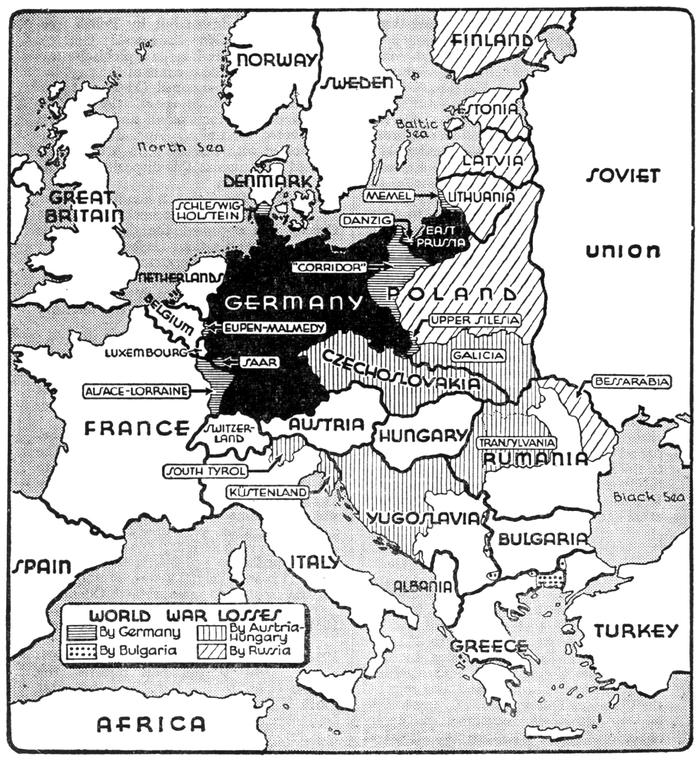
Please find the map that we were using to explain the Locarno Treaties below. The key point to remember is that Germany would guarantee her western borders and pledged never to invade Belgium and France again (along with a guarantee from Britain 90500that they would come to Germany’s aid if it was attacked by France). This was Stresemann’s fulfilment policy –  erfullugspolitik in action. It was followed by;

  • 1926: Germany joined the League of Nations and signed the Treaty of Berlin with USSR (the agreements made at Rapallo in 1922).
  • 1928: Germany signed the Kellogg-Briand Pact, thereby renouncing the use of force and committing herself to disarmament
  • 1929: The Young Plan – a revised scheme for repaying Reparations. The allies agree to evacuate the Rhineland early.

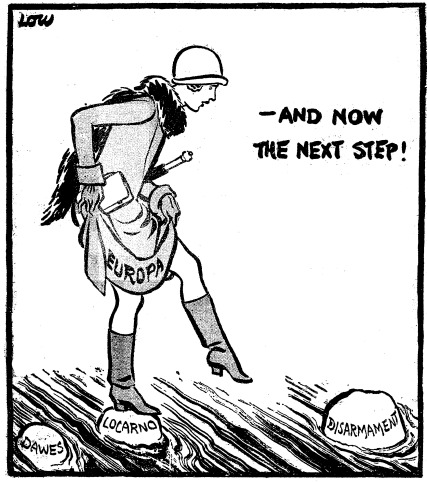
Today we debate Stresemann’s motives, and the wisdom of Locarno. It was certainly hated in Moscow. However, Low’s reaction in the cartoon at the top of the page was typical at the time, and added to the idea of growing stability in Europe. David Low is perhaps the greatest political cartoonist to have worked in Twentieth Century Britain. If you want to know more about him and the genre then click here to read my earlier post.

Mr Kydd

Posted in Enrichment, Germany Kaiser to Furhrer course, maps, Political cartoons | Comments Off on Locarno and Stresemann

History Society – the 70th anniversary of the liberation of Auschwitz II-Birkenau.

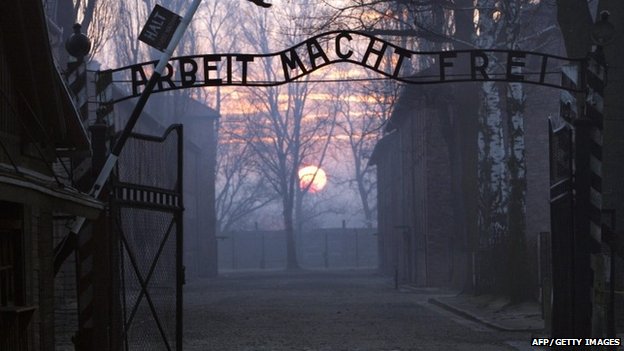
_80480260_80480259As agreed, we are going to spend the next the next two weeks considering the holocaust to mark the 70th anniversary of the liberation of Auschwitz II-Birkenau. There is a good account of the day from the BBC here.

At the end of our work I would like you to read this post and the comments that follow on from it. It sets out the debate for and against the idea that the former Nazi death camp should now be allowed to crumble away. When you have done this, post what you think (and why) below.

Mr Kydd.

Posted in Enrichment | 9 Comments

Conflict Time Photography

conflict_time_photography_exhibition_book_16441_largeAll,

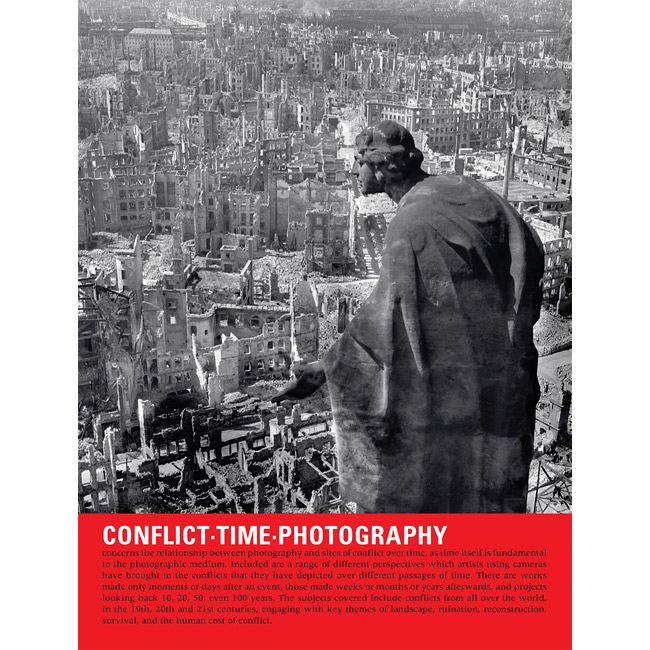
I visited the Conflict Time Photography exhibition at the Tate Modern  over the weekend. You can find reviews of it from The Daily Telegraph here, and from The Guardian here . As Alistair Snook suggests in the Telegraph, the basic premise of the exhibition is that the material is sorted by time. Thus he writes “instead of a chronological survey of war photography from the 19th century to today, Tate Modern organises the material according to the amount of time that has elapsed between the pictures and the conflicts they address.

Thus, the first section, “Moments Later”, contains images of the mushroom cloud produced by the atomic bomb dropped on Hiroshima, captured by a 17-year-old student just 20 minutes after the explosion, as well as Don McCullin’s famous shot from Vietnam of a shell-shocked US marine wearing the mentally quivering, awestruck expression of someone coming face-to-face with his maker.

Next, we find photographs taken days, weeks, or months after conflicts ranging from the Crimean War to the First Gulf War and Afghanistan. By the end of this ingenious exhibition, which telescopes through time, we are confronted with photographs recording aspects of the First World War that were made up to a century after the event.

This, then, is not an exhibition about photojournalism, which ordinarily casts the viewer with immediacy into wartime chaos and strife. Rather, it is about remembrance – about how artists, and by extension societies, come to terms with the atrocities and traumas of the past.”

As I will discuss in History Society, it was original, and for me at least it provoked unexpected conclusions. If you are in London before March, I strongly recommend it to you.

Mr Kydd.

Posted in Enrichment, Photography | Comments Off on Conflict Time Photography

Alpha history – Weimar Germany enrichment

59c88Happy New Year all,

As you will soon be writing on Weimar Germany I thought that you might like to bookmark this page from Alpha history. It is really most useful as securing information, but there are plenty of hyperlinks to explore.

Mr Kydd.

Posted in Enrichment, Germany Kaiser to Furhrer course | Comments Off on Alpha history – Weimar Germany enrichment

2014 in archaeology

_79943716_458698126Happy New Year all.

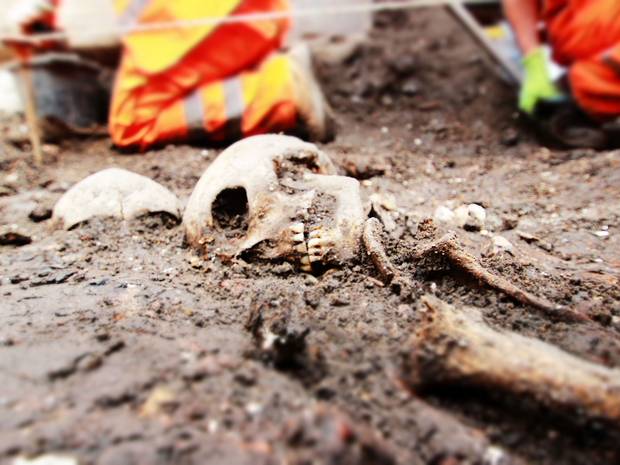
Please click here for a super review of the year in archaeology from the BBC magazine webpage. As Dr Iles suggests “it’s been a fascinating year for ground-breaking archaeology around the globe, with cholera-stricken “vampires”, armour made of bone, and the invention of trousers. Here’s just a selection of what has made an impact this year…”

Enjoy…

Mr Kydd.

Posted in Archaeology, Enrichment | Comments Off on 2014 in archaeology

Viewpoint: Why the shadow of the First World War and 1989 hangs over world events.

_79742440_solidarityIf you click here then you can read an excellent article from Jeffrey Sachs on the BBC magazine website. In it he reflects “this has been a year of great geopolitical anniversaries. We are at the 100th anniversary of the start of World War One, an event that more than any other shaped world history during the past century. We are at the 25th anniversary of the fall of the Berlin Wall, the opening chapter of the demise of the Soviet empire and the end of the Cold War. Yet we know that painfully we observe something far more than a mere remembrance.

As William Faulkner remarked, “The past is never dead. It’s not even past.” World War One and the fall of the Wall continue to shape our most urgent realities today. The wars in Syria and Iraq are the legacy of the closure of WW1, and dramatic events in Ukraine are unfolding in the long shadow of 1989.”

I consider it an orginal and thought provoking article – have a look, and see what you think.

Mr Kydd.

Posted in Enrichment, history in the news | Comments Off on Viewpoint: Why the shadow of the First World War and 1989 hangs over world events.

That training paragraph from today’s lesson.

lessonAll,

Excellent feedback today – most pleasing. A huge thank you to Jade for typing up our training paragraph on the interpretations work that we did today. A colour coded version can be found here. I hope that it is helpful.

Mr Kydd.


Posted in Germany Kaiser to Furhrer course | Comments Off on That training paragraph from today’s lesson.

The best history books of 2014

God's traitorsPlease click here for the Guardian’s review of the best history books of 2014. Hopefully there will be something that interests you (for when you get the Christmas book tokens).

God’s Traitors is described as follows;

Jessie Childs’s account of cloak-and-dagger intrigue in Tudor England, God’s Traitors: Terror & Faith in Elizabethan England (Bodley Head £25), conjures a John le Carré-like underworld of political double-dealing and “spiery” (as the Elizabethans called it). This was a time when moles were planted in Catholic seminaries and Elizabethan diplomacy created a looking-glass war in which priest was turned against priest, informant against informant. In crisp prose, Childs recreates a world of heroism and holiness in Tudor England.

Mr Kydd.

Posted in Book Reviews | Comments Off on The best history books of 2014