Obituary: John Lukacs, iconoclastic historian who wrote a best-selling tribute to Churchill

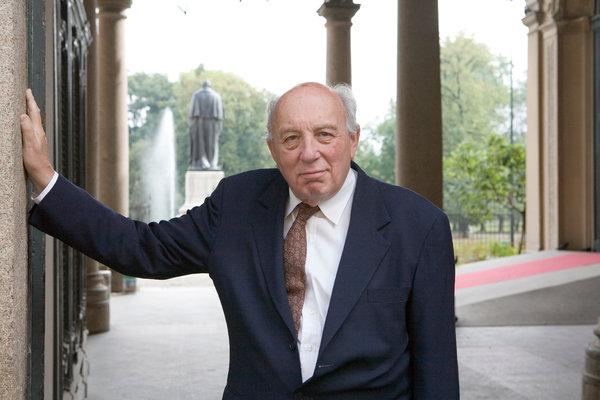
merlin_154518483_447f3686-3418-43cc-ae83-d029b1620505-articleLargeIf you click here you will get to a Scotsman obituary for the Hungarian historian John Lukacs. Perhaps his most famous work was his tribute to Winston Churchill – “Blood, Toil, Tears and Sweat”. I always remember him for being one of the first to call out David Irving.

He is perhaps most interesting to us, because he prided himself on his intellectual independence, as the extract below reflects. Whether you agree with his views or not, this rejection of the consensus was clearly a healthy thing for a historian.

“He considered himself a “reactionary,” a mourner for the “civilisation and culture of the past 500 years, European and Western.” He saw decline in the worship of technological progress, the elevation of science to religion, and the rise of materialism. Drawing openly upon Alexis de Tocqueville’s warnings about a “tyranny of the majority”, Lukacs was especially wary of populism and was quoted by other historians as Donald Trump rose to the presidency. Lukacs feared that the public was too easily manipulated into committing terrible crimes.

“The kind of populist nationalism that Hitler incarnated has been and continues to be the most deadly of modern plagues,” he once wrote. He belonged to few academic or political organizations and was unafraid to challenge his peers, whether Arthur M Schlesinger Jr, Hannah Arendt or British historian David Irving. In The Hitler of History, published in 1997, Lukacs alleged that Irving was sympathetic to the Nazis, leading to threats of legal action from Irving and the removal of passages from the book in England. In recent years, Irving has been widely condemned because of his ties to Holocaust deniers.”

Have a read and see what you think.

Mr Kydd.
Posted in historians, Obituaries | Comments Off on Obituary: John Lukacs, iconoclastic historian who wrote a best-selling tribute to Churchill

Enrichment – Later Tudors – something to read – Rival Queens – Kate Williams (University of Reading)

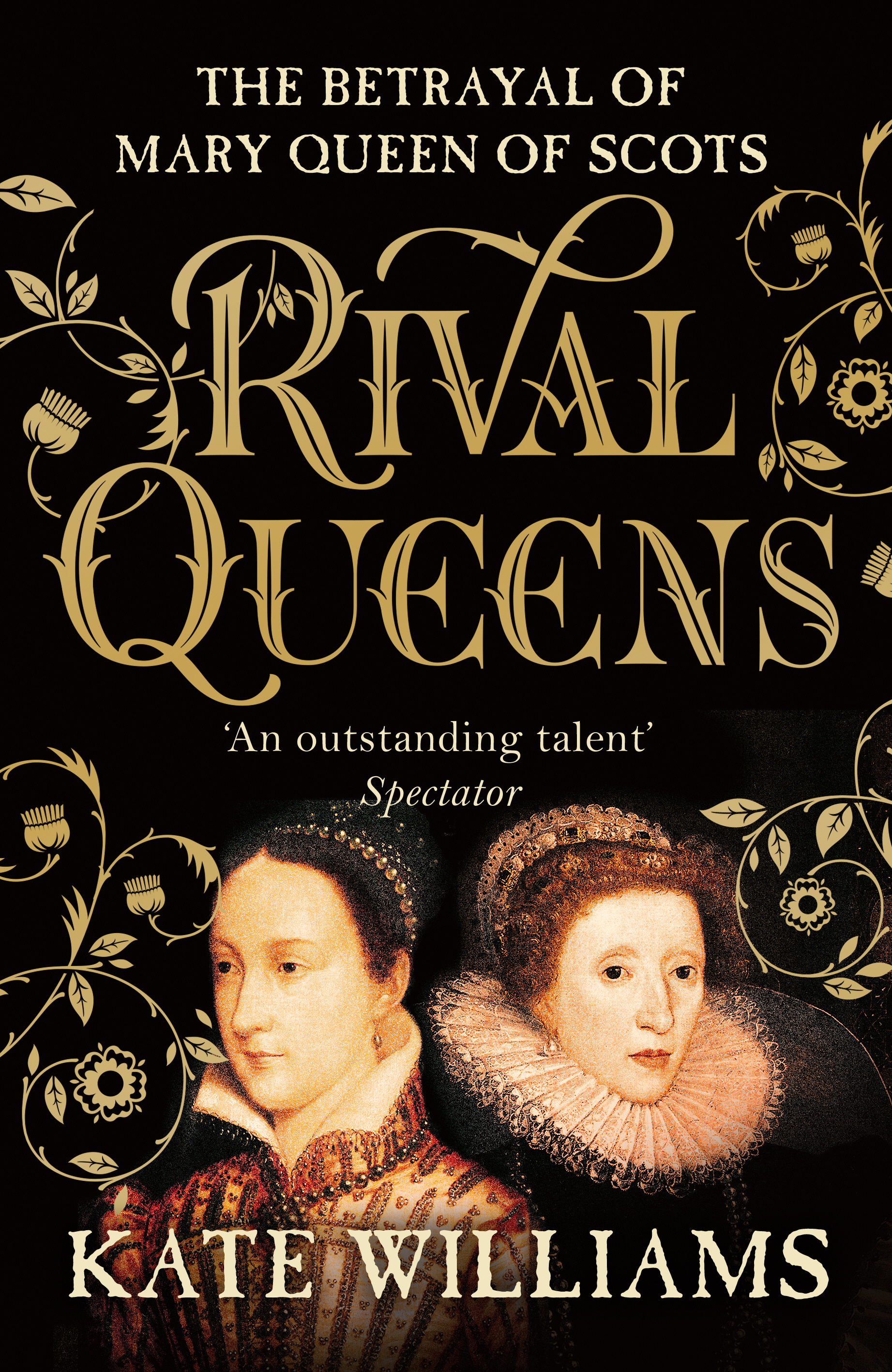
coverIf you click here you can read a review of “Rival Queens” by Professor Williams in The Herald. The book suggests “that story needs re-tuning”, and would be excellent summer reading for Year Twelve historians.

“Mary crossed the Solway Firth to England in the hope her cousin Elizabeth I would help restore her to the Scottish throne, but instead Mary was kept a prisoner and eventually executed. It’s a story that has produced two of the strongest images in the history of these islands: Elizabeth as regina triumphant, the woman with the heart and stomach of a king, and Mary as the tragic sovereign, duped by men and unsupported by the woman she turned to for help.”

Below Professor Williams discusses her motivations for writing the book. I have a copy if anyone wants to borrow it.

Mr Kydd.

Posted in Enrichment, history in the news | Comments Off on Enrichment – Later Tudors – something to read – Rival Queens – Kate Williams (University of Reading)

Enrichment – something to listen to / discuss – Strange Fruit – the most shocking song of all time?

If you click here you will get to an excellent BBC article on Strange Fruit by Billie Holiday. It was recorded 80 years ago today. Have a look and see what you think.

On 20 April 1939, the jazz singer Billie Holiday stepped into a studio with an eight-piece band to record Strange Fruit. This jarring song about the horrors of lynching was not only Holiday’s biggest hit, but it would become one of the most influential protest songs of the 20th Century – continuing to speak to us about racial violence today.

It was named the song of the century by Time magazine in 1999, and the story of Strange Fruit’s conception has entered legend. Originally a poem called Bitter Fruit, it was written by the Jewish school teacher Abel Meeropol under the pseudonym Lewis Allen in response to lynching in US southern states. “I wrote Strange Fruit because I hate lynching, and I hate injustice, and I hate the people who perpetuate it,” Meeropol said in 1971.

Posted in Enrichment, history in the news | Comments Off on Enrichment – something to listen to / discuss – Strange Fruit – the most shocking song of all time?

Enrichment – something to discuss. What do the rest of Europe think of the EU (and why)

PG_19.03.01_EU_Featured-ImageI am not going to mention the B-work. However I thought the information in this survey link (from the Pew Research Center) makes fascinating reading. Views on the EU, Europe and it’s  future vary from country to country, and by far more than I previously understood.

Have a look, and see what you think. Something  for us to discuss in History Society perhaps…

Mr Kydd.

Posted in Enrichment | Comments Off on Enrichment – something to discuss. What do the rest of Europe think of the EU (and why)

Some IGCSE enrichment – USA work. The photography of Walker Evans and a BBC article on the white southerners who fought US segregation

A couple enrichment opportunities here.

  1. The video below discusses the photography of Taylor Evans. His work really brings the human cost of the economic collapse alive, and I strongly recommend it to you.

_105952641_daniels_976getty 2. If you click here you will get to a BBC article which explores what happened to White Southerners who opposed segregation. It is an excellent article, and well worth a read. The image to the left is of  Jonathan Daniels who was killed, aged 26, when he stepped in to protect a teenage black woman from a shotgun-wielding construction worker.

Enjoy,

Mr Kydd.

Posted in IGCSE | Comments Off on Some IGCSE enrichment – USA work. The photography of Walker Evans and a BBC article on the white southerners who fought US segregation

Year Nine – Holocaust reflection prep

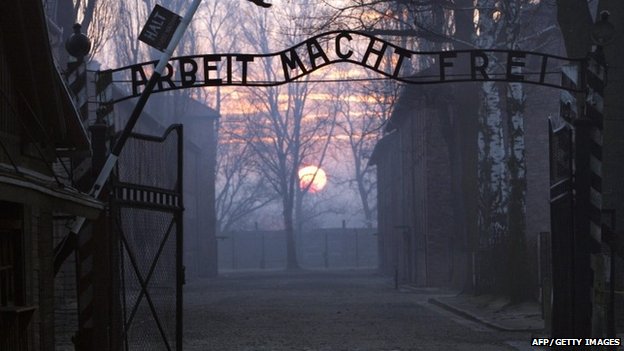
_80480260_80480259All,

Following on from today’s lesson, for prep I would like you to do the following.


Explore the following BBC web pages below.

  • This news report (here).
  • This account of the 70th anniversary of the liberation of Auschwitz II-Birkenau (here).
  • The audio slideshow from the Auschwitz Museum explaining the problems of preserving the ageing and crumbling 191-hectare site, with limited funds (here).
  • Two experts on Auschwitz arguing for and against the idea that the former Nazi death camp should be allowed to crumble away (here)
  • Here Patrick Ney describes “tourist” behaviour when he visited Auschwitz in 2012.

Then post which view you agree with more (and why) below. One perfect paragraph please. A possible start to your paragraph might be…

I believe that Auschwitz should be allowed to crumble / be maintained because…

Develop your answer with evidence and connectives. Exemplar contrasting posts from Mr Padrick and Mr Towl are  shown below. Please note, for your post to appear, I will need to approve it – so don’t worry it is does not show up straight away.

Mr Kydd.

Posted in Lower school | 19 Comments

Enrichment – something to listen to. In Our Time – William Cecil

All,

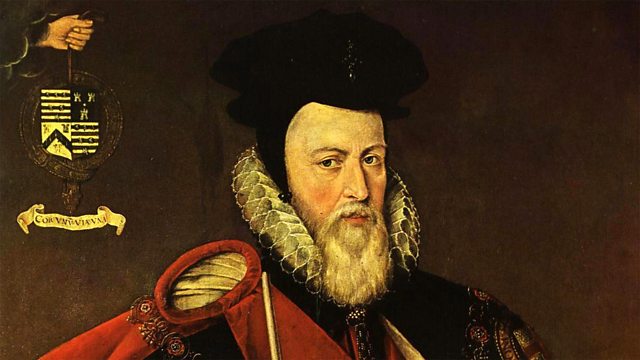
Something rather special for you today. If you click here you will get to last night’s In Our Time on Radio 4. In it, Melvyn Bragg and guests discuss the impact on the British Isles of William Cecil, 1st Baron Burghley, the most poweful man in the court of Elizabeth I. He was both praised and attacked for his flexibility, adapting to the reigns of Protestant and Catholic monarchs and, under Elizabeth, his goal was to make England strong, stable and secure from attack from its neighbours. He sought control over Ireland and persuaded Elizabeth that Mary Queen of Scots must die, yet often counselled peace rather than war in the interests of prosperity.

p071h3zf

With;

  • Diarmaid MacCulloch
    Professor of the History of the Church at the University of Oxford
  • Susan Doran
    Professor of Early Modern British History at the University of Oxford
  • John Guy
    Fellow of Clare College, University of Cambridge

Enjoy,

Mr Kydd.

Posted in Enrichment | Comments Off on Enrichment – something to listen to. In Our Time – William Cecil

History Society – something to discuss – Halford Mackinder and Geo-politics.

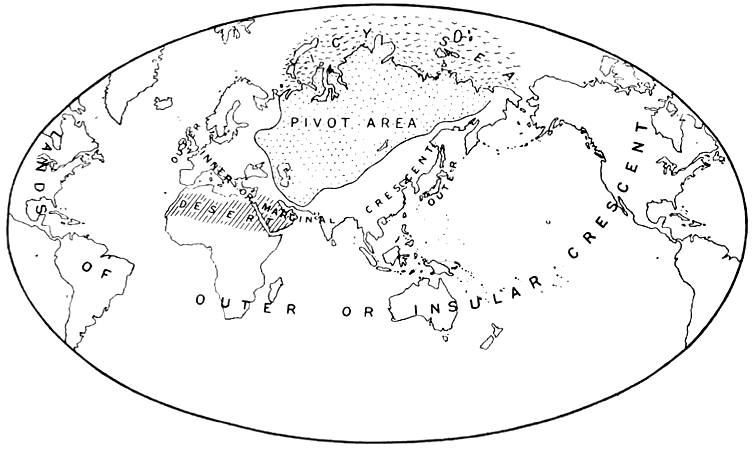
Geopolitics is the study how geography informs politics ( and thus history). In the aftermath of the First World War, is was particularly associated with a British thinker – Halford Mackinder. He famously argued;
“Who rules East Europe commands the Heartland;
who rules the Heartland commands the World-Island;
who rules the World-Island commands the world.”
(Mackinder, Democratic Ideals and Reality, p. 150)
Heartland


Many think that Mackinder’s ideas influenced Hess, Hitler and the Nazis. This is explained below in part one. Some argue with the decline in the power of the USA, it is again coming to the fore. This is explained below. See what you think.

Mr Kydd.

Posted in Enrichment | Comments Off on History Society – something to discuss – Halford Mackinder and Geo-politics.

Something to discuss in History Society. One in twenty Britons do not think that the Holocaust happened…

In the turmoil of recent years, it is perhaps hard to be shocked anymore. However, today’s HMTD poll showing that Five per cent of UK adults do not believe the Holocaust took place and one in 12 believes its scale has been exaggerated has genuinely left me flabbergasted.

I do not fully understand how we have got here, and this is perhaps something we should discuss in History Society. For now, the videos below seem to be the best way to rebut this ignorance…

Posted in Enrichment, History Society | Comments Off on Something to discuss in History Society. One in twenty Britons do not think that the Holocaust happened…

Enrichment – places to go – Ian Hislop’s “I Object” exhibition at the British Museum

p06hzgh2All,

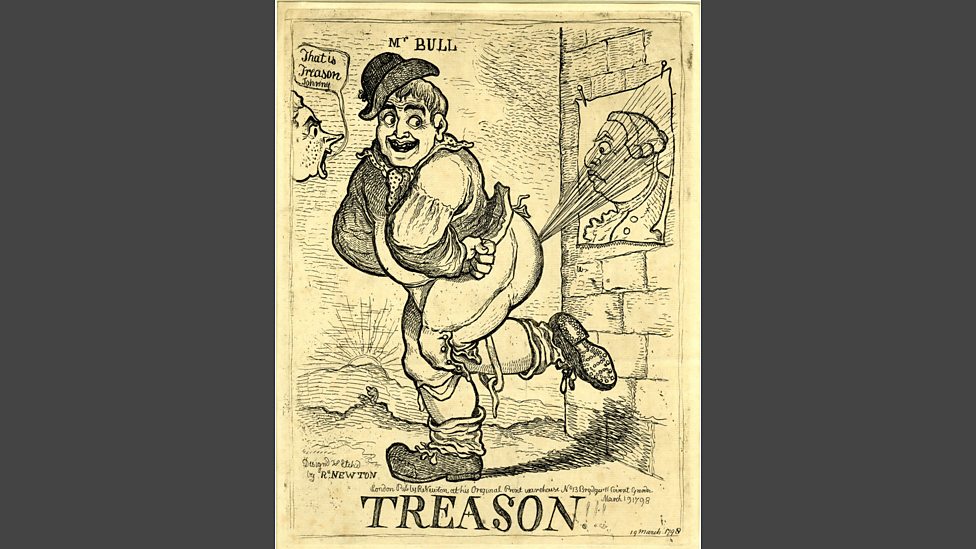
There is still a little time to get along to the “I object exhibition” at the British Museum. I can strongly recommend it, and would suggest that you look out for the Stonyhurst Salt if you want a link to our Later Tudors course. If you click here you can also listen to Ian Hislop talking on radio 4 about how he made his selections.

Happy New Year.

Mr Kydd.

Posted in Enrichment, Places to go, Political cartoons | Comments Off on Enrichment – places to go – Ian Hislop’s “I Object” exhibition at the British Museum