If you click here then you can take a quiz to see which candidate you agree with more. You may also like to watch the final debate below.
Mr Kydd.
If you click here then you can take a quiz to see which candidate you agree with more. You may also like to watch the final debate below.
Mr Kydd.
Today is the 950th anniversary of the Battle of Hastings. If you click on the link below then you can find out more from the Get History website.
http://www.gethistory.co.uk/historical-period/medieval/normans-beyond/the-battle-of-hastings
Mr Kydd.
Some electronic versions of the materials that you will need over half term for your coursework. If you click here you will get to the OCR student guide. If you click here you will get to the power point I was using in class. I hope that they are helpful.
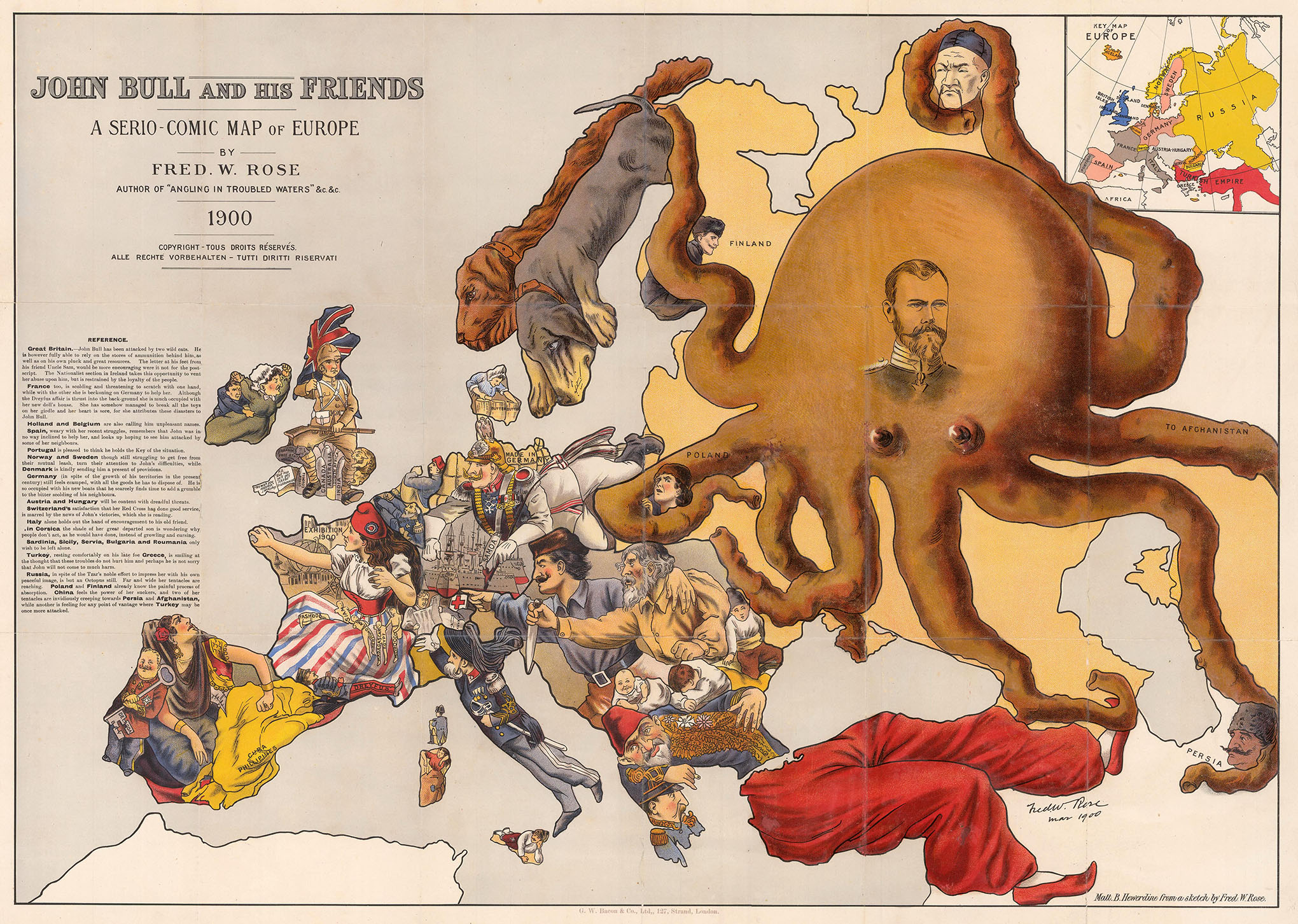
Many of you will know of my passion for historical maps. If you click here you will to an article from Fred Maynard in the 1843 magazine advertising a new exhibition at the Map House of London. This focuses on political maps from the First and Second World War. As Maynard puts it, “with their skillful mix of symbolism and information, maps were effective propaganda tools.”
I am going over half term, but for you Early Modern specialists there is much to see. Check out this beauty…
Mr Kydd.
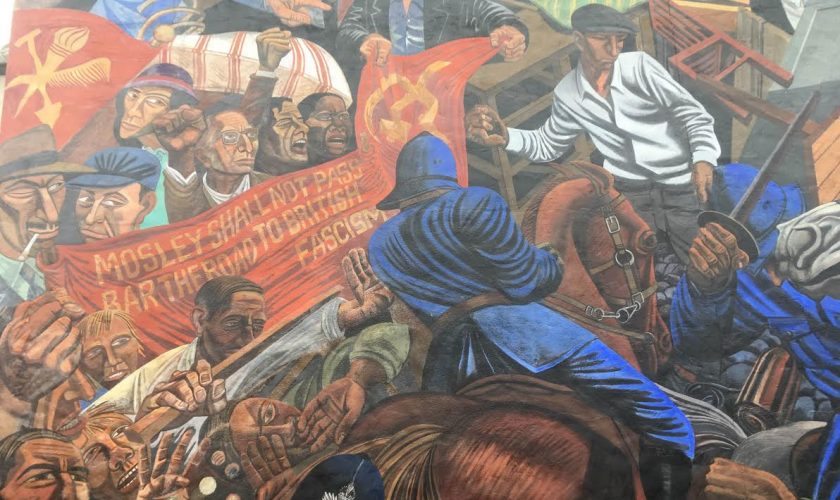
Today marks the the 80th anniversary of the Battle of Cable Street. If you click here you can read an excellent piece by Kirsty Major in The Independent. She argues that this has lessons for today.
“Eighty years ago today London’s East End stood up to fascists, taking on the British black shirts led by Oswald Mosley. The dramatic day of riots in defence of the community’s Irish and Jewish population would eventually become mythologised as the Battle of Cable Street. Since then, the area has become one of symbolic importance to both left and right. In 2013 I walked the same streets, now home to London’s largest Muslim community, protesting against the far right English Defence League.”
Below two videos reflect on that day.
Mr Kydd.
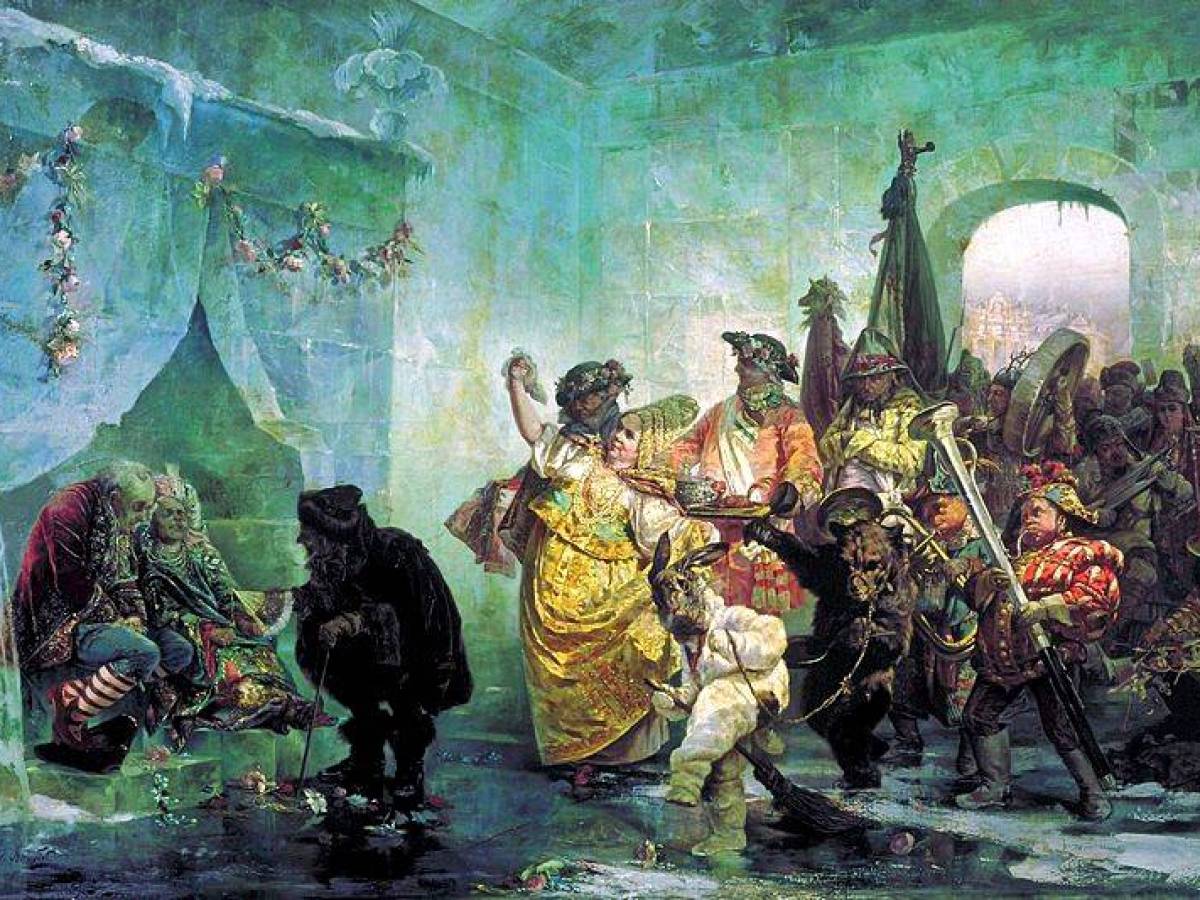
Great to all of you at History Society today. We will finish off Ivan the Terrible next week. Perhaps Empress Anna Ioannovna was not so brutal, but this article suggests that she was certainly more of a party girl; as well as another true autocratic ruler.
“On March 8, a coup d’état headed by Anna’s most trusted retainers rounded up members of the Supreme Privy Council. Anna shredded the contracts before their eyes, and sentenced them all to death or exile. With the power of the Russian throne consolidated, Anna was officially crowned Empress of Russia on April 28, 1730. Empress Anna was protective of her newfound position to the point of paranoia. This led to the dreaded revival of the Secret Search Chancellery. A secret police force beholden only to Anna herself, they bore full authority to kill or torture any political opponents to the throne.”
How does all this relate to our A Level course ? Well, think about our timeline today. Perhaps repression was the only way to effectively rule this “prison of peoples”.
Mr Kydd.
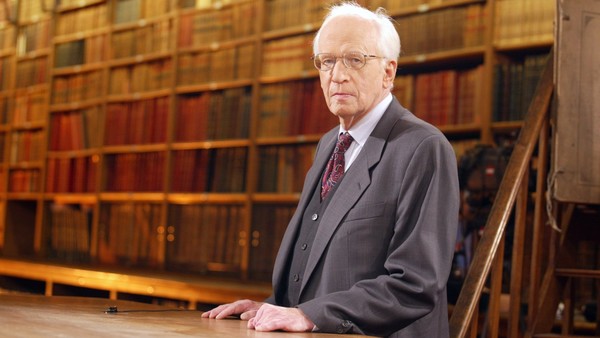
If you click here you will get to Tony Barber’s obituary for Ernst Nolte. I have included an extract below. Read the article and see if you agree with him.
“On Friday June 6 1986 the Frankfurter Allgemeine Zeitung, a West German newspaper, devoted three columns of its prestigious feuilleton , or culture section, to a provocative essay under the headline: “The past that will not pass away.” Written by Ernst Nolte, a conservative professor at the Free University of Berlin with a taste for breaking taboos, the article contended that Nazism and the mass murder of European Jews should be understood not as historical episodes with uniquely German roots but as a reaction to the 1917 Russian Revolution and the murderous excesses of Soviet communism.
The article by Nolte, who has died aged 93, sparked arguably the most blistering intellectual controversy in West Germany’s 1949-1990 existence. Known as the Historikerstreit (historians’ dispute), this debate addressed supremely sensitive questions such as the degree to which Germans bore collective guilt or responsibility for the Nazis’ atrocities, and whether the Nazi legacy was to burden the national identity for ever.”
Mr Kydd.
A warm welcome back – it was lovely to see you all again today. If you click here then you will get to today’s presentation. It should be very useful in showing the skills and weightings of the papers at A2 standard.
Mr Kydd.
If you click here you will get to a BBC report on the causes of the 1665 plague outbreak. It states that;
“DNA testing has for the first time confirmed the identity of the bacteria behind London’s Great Plague. The plague of 1665-1666 was the last major outbreak of bubonic plague in Britain, killing nearly a quarter of London’s population. It’s taken a year to confirm initial findings from a suspected Great Plague burial pit during excavation work on the Crossrail site at Liverpool Street. About 3,500 burials have been uncovered during excavation of the site. Testing in Germany confirmed the presence of DNA from the Yersinia pestisbacterium – the agent that causes bubonic plague – rather than another pathogen. Some authors have previously questioned the identity of pathogens behind historical outbreaks attributed to plague.”
This might not be as conclusive as it first seems however. Some diseases then were not as deadly as today. Smallpox, which Queen Elizabeth contracted in 1562, for example was not the killer it later became. Thus, some historians accept that the dead had come into contact with the bubonic plague, but still argue that there was another killer.
If you want to know more, then you might like to read Susan Scott’s “The return of the Black Death as a good starter.
Mr Kydd.