These are just excellent – enjoy…
Mr Kydd.
These are just excellent – enjoy…
Mr Kydd.
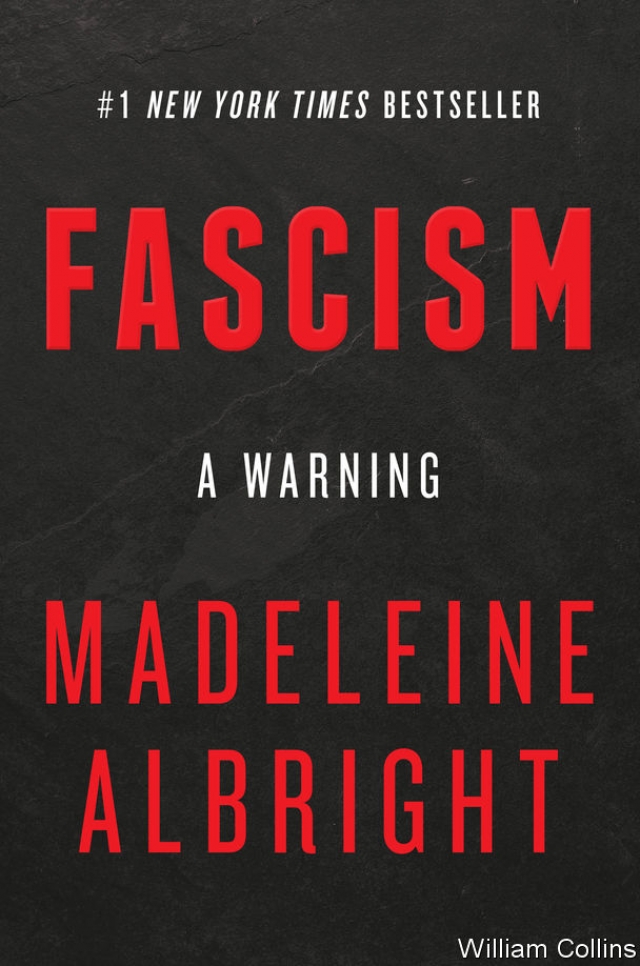 Madeline Albright was the Secretary of State in the Clinton White House (1997-2001). Born in then-Czechoslovakia, her family fled Hitler and the Nazis in 1938. Initially they came to Britain. Her latest book – Fascism – a warning is a personal and urgent examination of Fascism in the twentieth century and how its legacy shapes today’s world.
Is Trump a Fascist ?
“A Fascist, observes Madeleine Albright, ‘is someone who claims to speak for a whole nation or group, is utterly unconcerned with the rights of others, and is willing to use violence and whatever other means are necessary to achieve the goals he or she might have.’
The twentieth century was defined by the clash between democracy and Fascism, a struggle that created uncertainty about the survival of human freedom and left millions of innocent people dead. Given the horrors of that experience, one might expect the world to reject the spiritual successors to Hitler and Mussolini should they arise in our era. In Fascism: A Warning, Madeleine Albright, draws on her own experiences as a child in war-torn Europe and her distinguished career as a diplomat to question that very assumption.
Fascism, as Albright shows, not only endured through the course of the twentieth century, but now presents a more virulent threat to international peace and justice than at any time since the end of World War II. The momentum toward democracy that swept the world when the Berlin Wall fell has gone into reverse. The United States, which has historically championed the free world, is led by a president who exacerbates popular divisions and heaps scorn on democratic institutions. In many countries, economic, technological and cultural factors are weakening the political centre and empowering the extremes of right and left. Contemporary leaders such as Vladimir Putin and Kim Jong-un are employing many of the same tactics used by Fascists in the 1920s and 30s.
Fascism: A Warning is a book for our times that is relevant to all times. Written with wisdom by someone who has not only studied history but helped to shape it, this call to arms teaches us the lessons we must understand and the questions we must answer if we are to save ourselves from repeating the tragic errors of the past.”
If you click here you will get to an Economist interview with her, and below is an interview that she did last month with Andrew Marr.
I have a copy if anyone one to borrow it.
Mr Kydd.
 Year Thirteen,
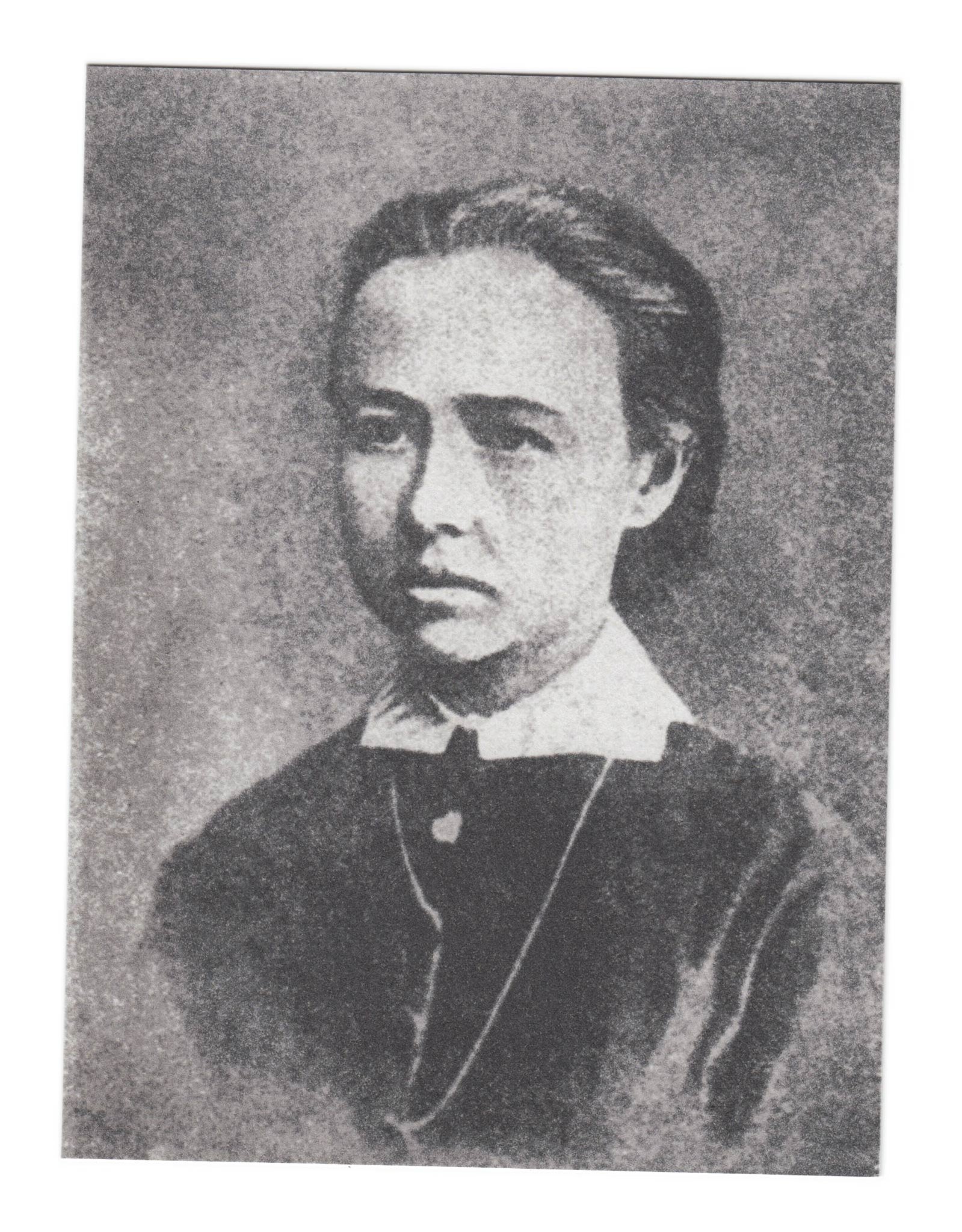
If you click here you will get to an article from the New York Times about Sophia Perovskaya – one of the five members of the People’s Will who assassinated Alexander II, and changed the direction of the Tsarist government.
“The first woman to be executed for a political crime in Russia, Perovskaya is credited with pushing the empire down the road to revolution and was later given the mantle of martyrdom. Tolstoy called her an “ideological Joan of Arc.”
Indeed, the execution of “Russia’s first female terrorist” matched the drama of the assassination. On April 15, she and her fellow militants were driven through the streets of St. Petersburg in tumbrels, dressed in black robes, with their hands tied behind them and black placards reading “Czaricide” hung around their necks. The cortege, under military escort, moved to the beat of drums through the throngs lining the streets.“
Mr Kydd.
 All,
All,
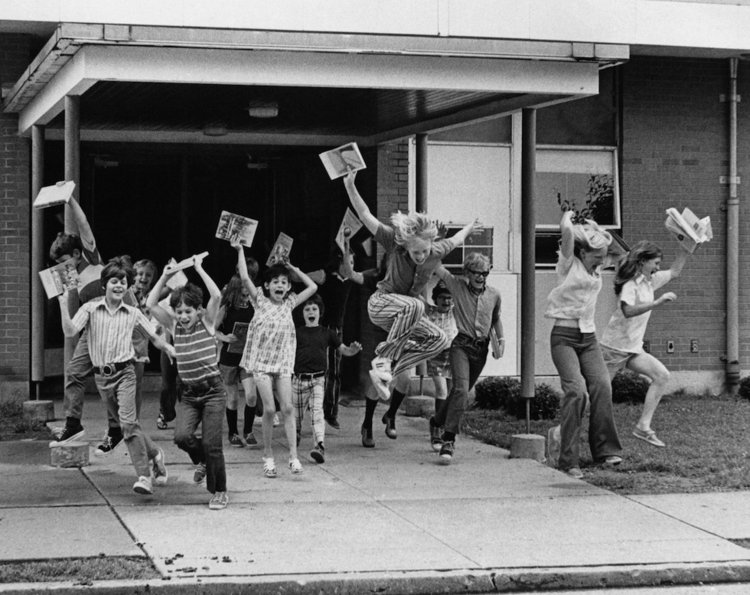
Obviously there are four things to do over the summer for your A level history.
PLEASE REMEMBER THAT YOU ARE HANDING IN ALL OF THE ABOVE IN YOUR FIRST LESSON BACK.
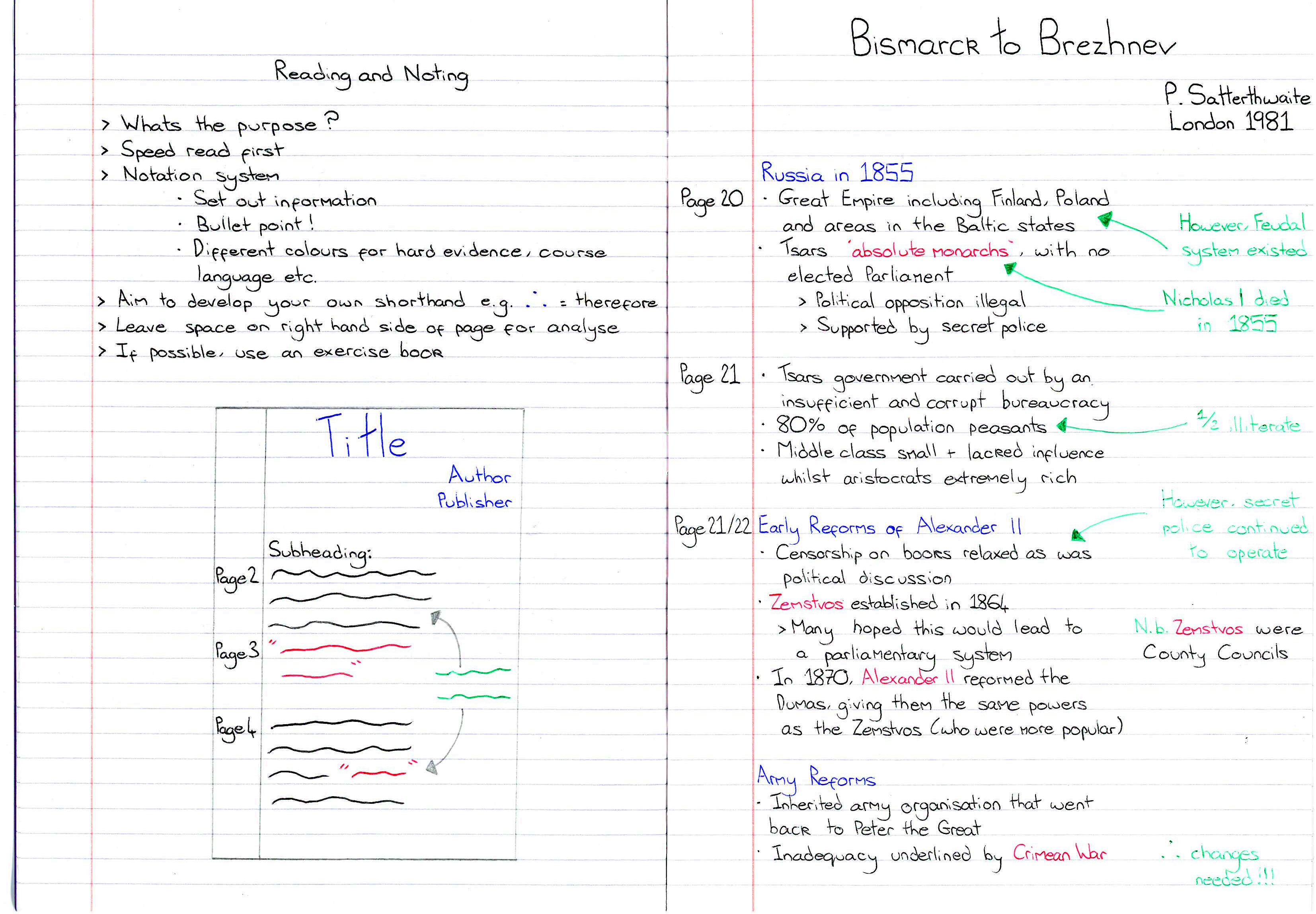
This post is intended to help you with the latter. PLease find an example of effective reading and noting of the first five pages of Satterwaite below. Underneath that, please find the videos that I want you to watch. You should have x2 A4 pages of notes for each leader.
Mr Kydd.
 If you click here you will get to last night’s edition of In Our Time on Radio 4. In it, Melvyn Bragg and guests discuss the 1861 declaration by Tsar Alexander II that serfs were now legally free of their landlords. It is a great opportunity to hear historians debate a topic that you are studying.
Programme description.
“Until then, over a third of Russians were tied to the land on which they lived and worked and in practice there was little to distinguish their condition from slavery. Russia had lost the Crimean War in 1855 and there had been hundreds of uprisings, prompting the Tsar to tell the nobles, “The existing condition of owning souls cannot remain unchanged. It is better to begin to destroy serfdom from above than to wait until that time when it begins to destroy itself from below.” Reform was constrained by the Tsar’s wish to keep the nobles on side and, for the serfs, tied by debt and law to the little land they were then allotted, the benefits were hard to see”.
With
Sarah Hudspith
Associate Professor in Russian at the University of Leeds
Simon Dixon
The Sir Bernard Pares Professor of Russian History at UCL
Shane O’Rourke
Senior Lecturer in History at the University of York
Mr Kydd.
Mr Kydd
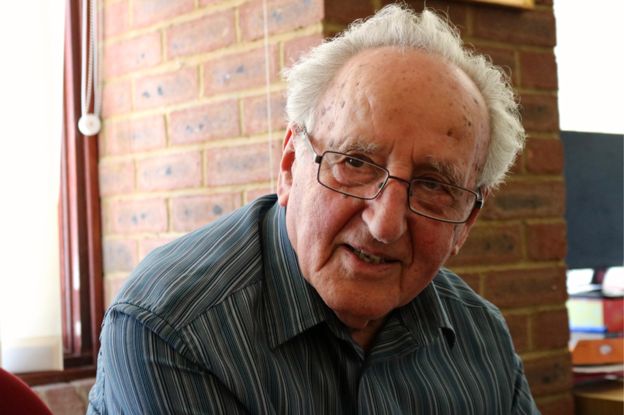 If you click here you will get to an excellent article from the BBC website about Holocaust survivors who ended up in Ascot. Beyond its local significance, it is a reminder that soon such personal memories will be lost to us.
The image to the left here is one of those boys – Ivor Perl.
“Shortly after the end of World War Two a group of young Holocaust survivors was flown to the UK to recuperate. Thirty of them were housed in the Berkshire town of Ascot, famous for the pomp of the Royal Ascot horse races, where they made an incongruous sight, writes Rosie Whitehouse. Margaret Nutley remembers her first meeting with a group of unfamiliar boys on the Ascot racecourse. It was autumn 1945, and they were playing football, wearing striped jackets from a concentration camp. “The course was not fenced off as it is today and us local children used it as a playground. One day I went up with my friends to muck about and there they were. They were just there, playing like the rest of us. “The boys showed us their tattoos and talked about what had happened to them, but not boastfully.”
Mr Kydd.
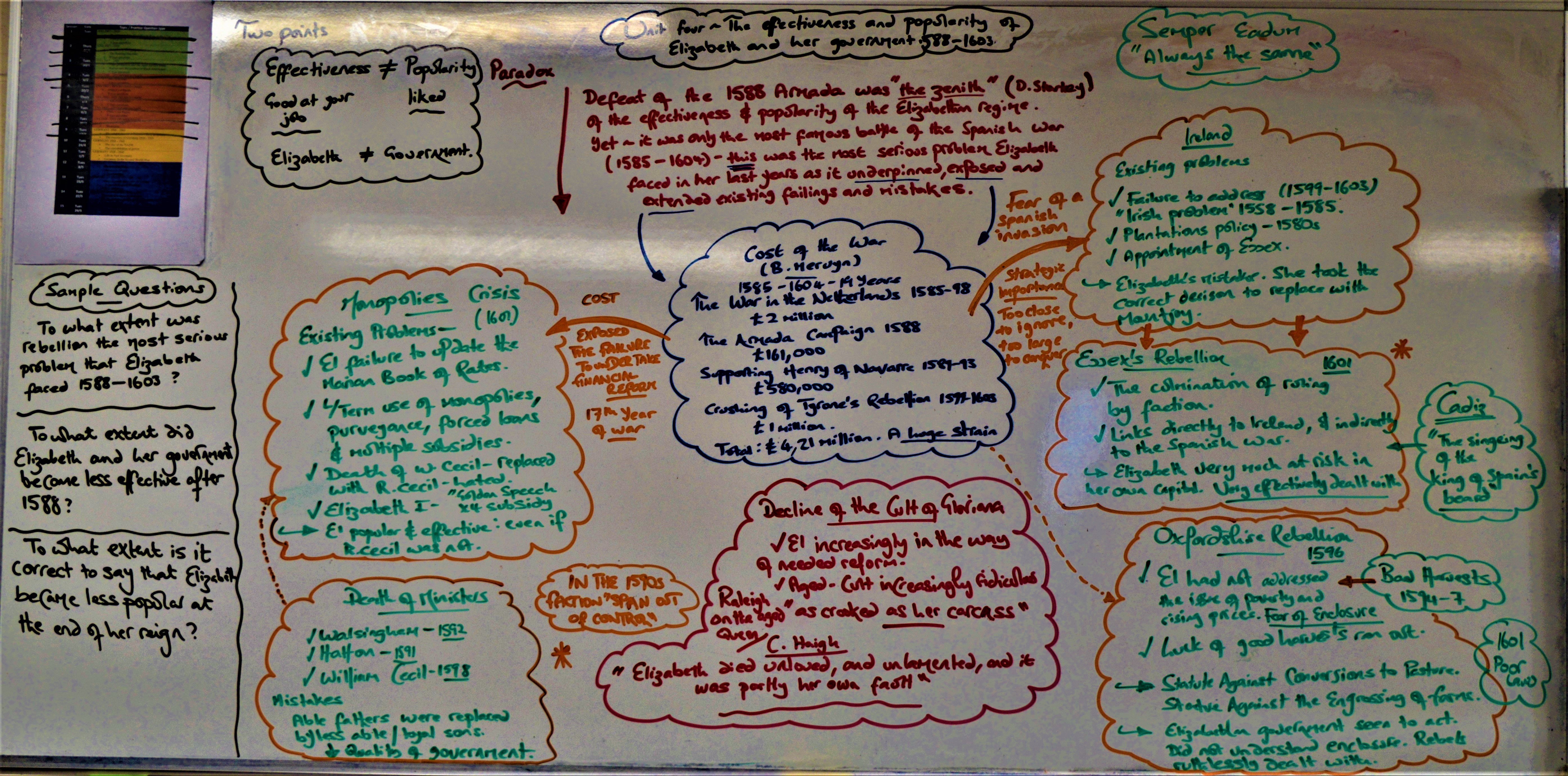
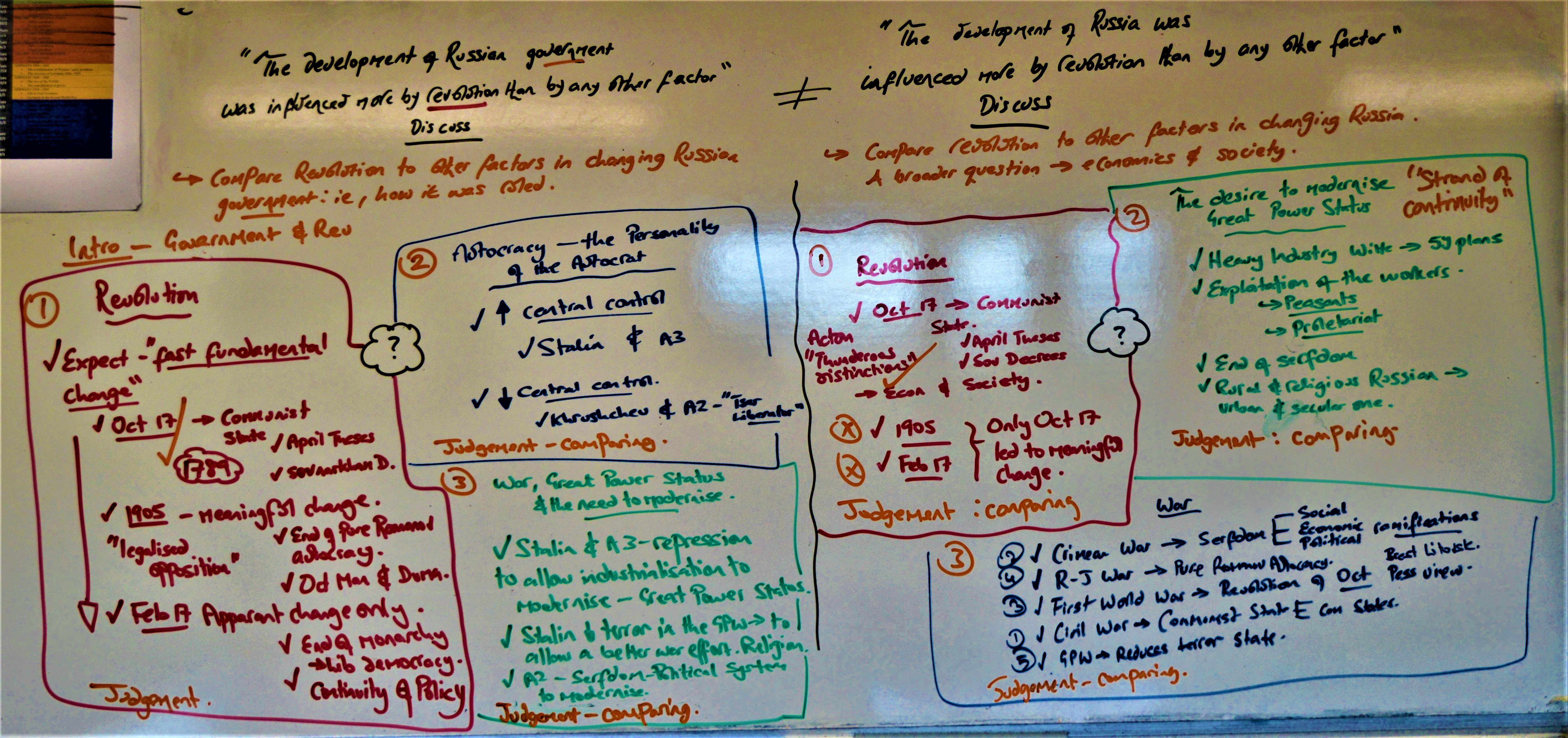
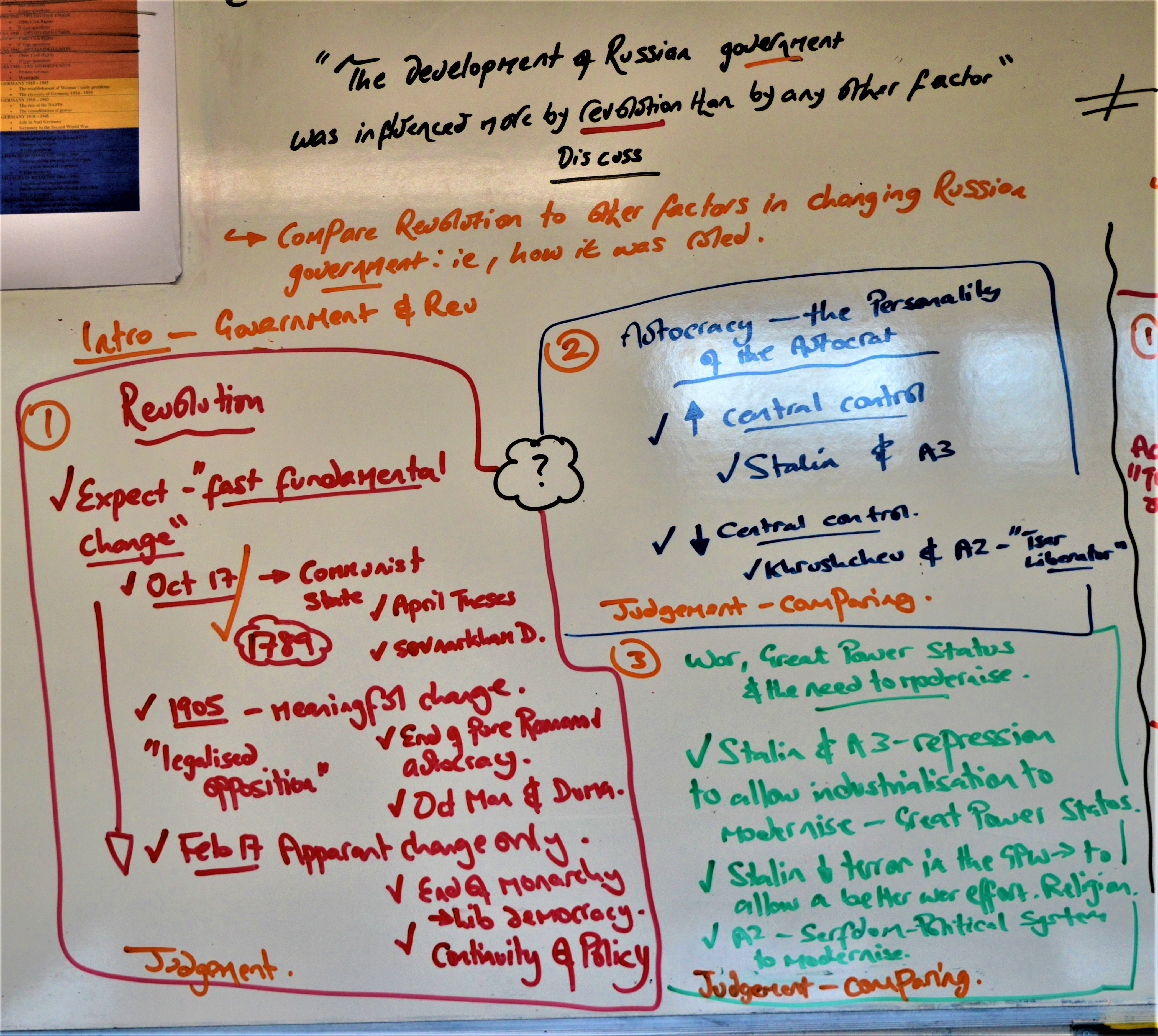
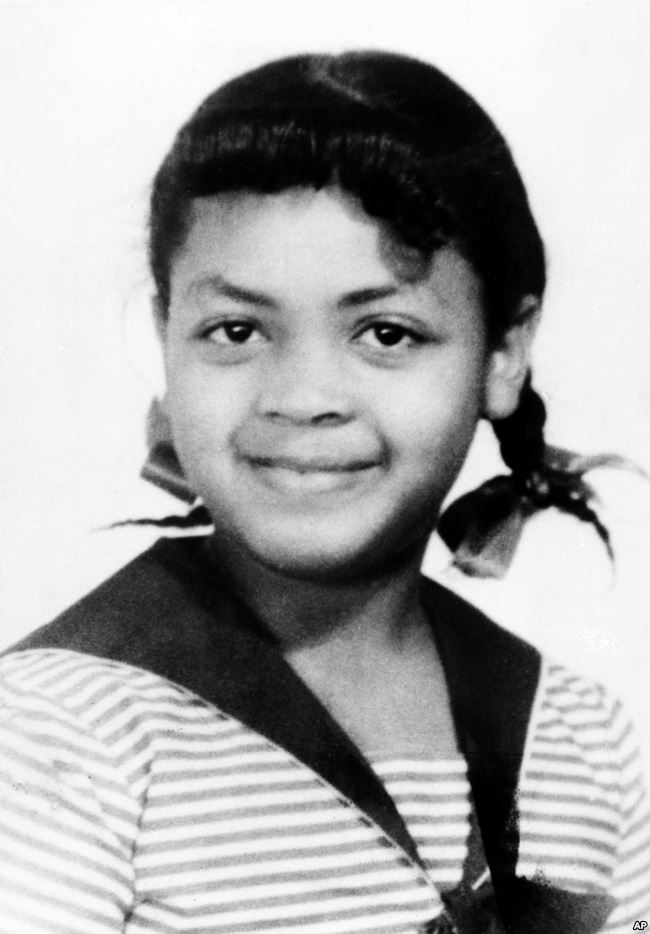 A bit of enrichment for you IGCSE students.
If you click here you will get to The Guardian’s obituary for Linda Brown, the Kansas girl at the center of the 1954 supreme court ruling that concluded that “in the field of public education, the doctrine of ‘separate but equal’ has no place.”
Some helpful links follow.
“Topeka’s former Sumner School was all-white when Brown’s father, Oliver, tried to enroll the family. He became lead plaintiff in the 1954 Brown v Board of Education supreme court decision that ended school segregation. The landmark case began after several black families in Topeka were turned down when they tried to enroll their children in white schools near their homes. It was brought before the supreme court by the legal arm of the National Association for the Advancement of Colored People and joined with cases from Delaware, South Carolina, Virginia and the District of Columbia.
On 17 May 1954, the supreme court ruled unanimously that separating black and white children was unconstitutional because it denied black children the 14th amendment guarantee of equal protection under the law.“In the field of public education, the doctrine of ‘separate but equal’ has no place,” chief justice Earl Warren wrote. “Separate educational facilities are inherently unequal.”
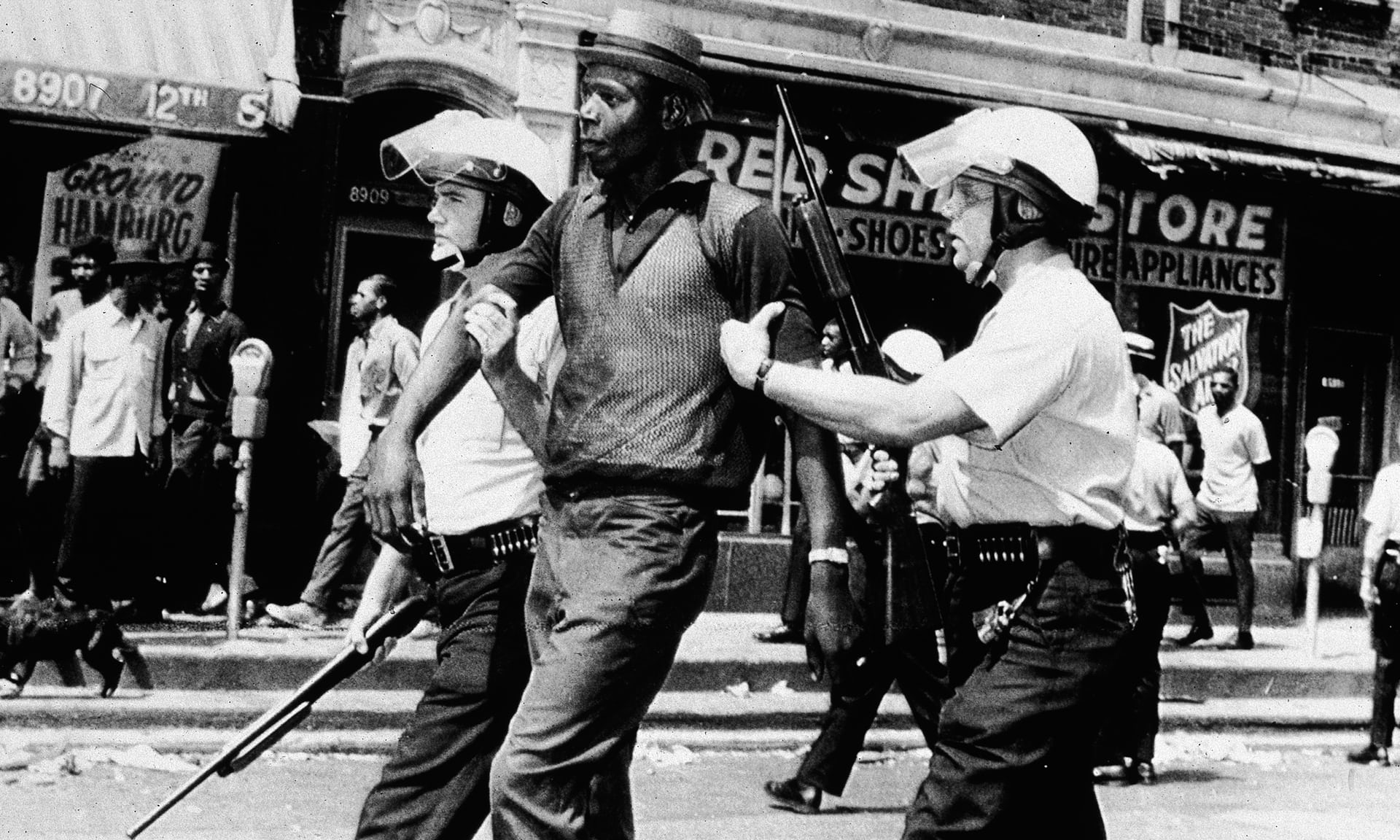
Have a read and see what you think.
Mr Kydd.
 First of all, can I take this opportunity to thank you all for your excellent approach to what was a packed day. It was great to meet you, and I hope very much that it has set up your Easter revision.
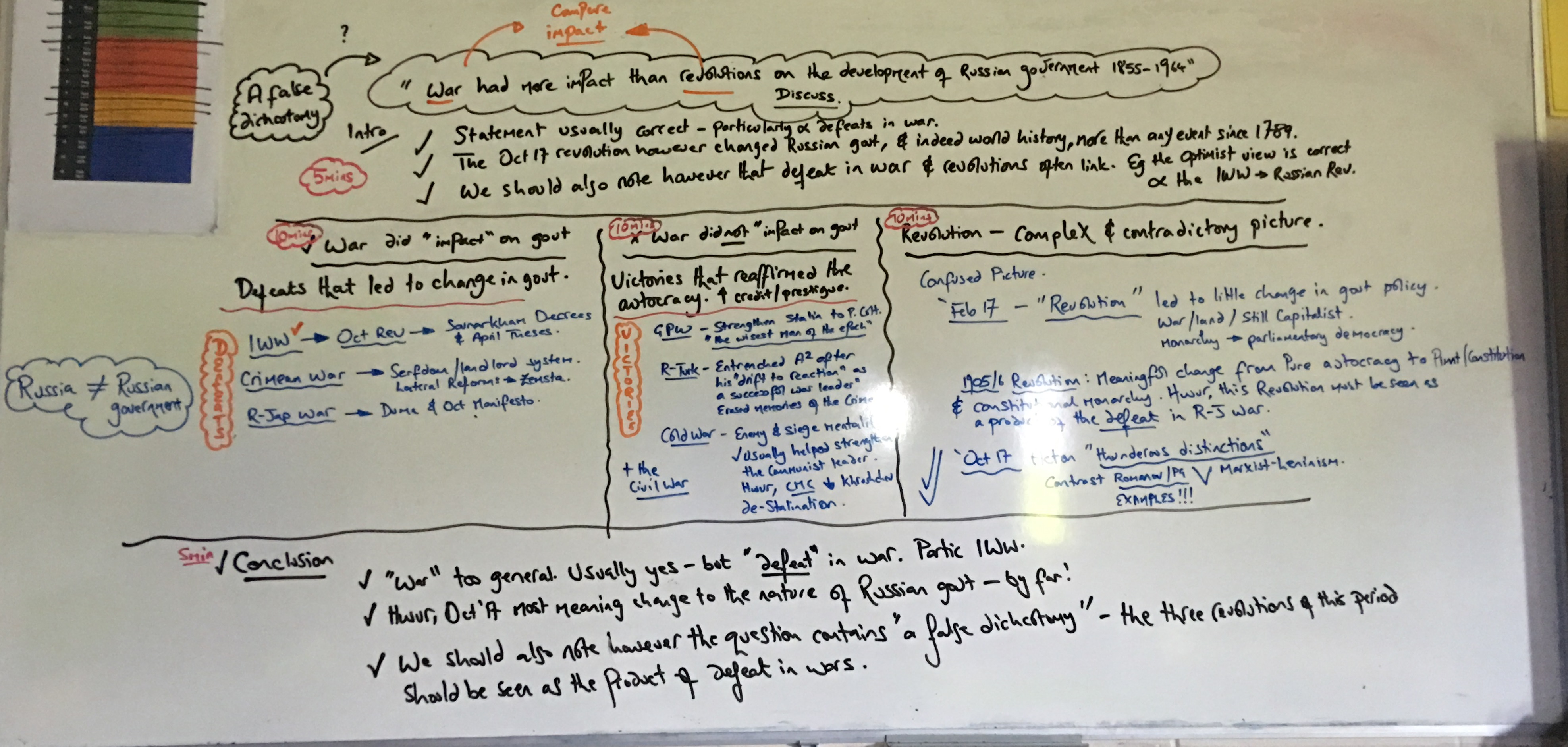
As promised, below you will find electronic versions of the materials that we used. Also you will find the two videos that I referenced, and a link to that textbook. Finally, if you want to have an electronic version of the essay planning sheet that Little Heath and LVS teachers used (to plan essays to send to your teachers) this can be found in the stick post at the top of this page.

Interpretations introduction PowerPoint
Thematic essays introduction PowerPoint
Provisional Government debate areas
Government Questions resources
Khrushchev depth study seminar
Khrushchev interpretations successful reforms support
Spec paper essay – A2 – first go
Working class bleak plan support prompts
Working class thematic seminar
Mr Kydd