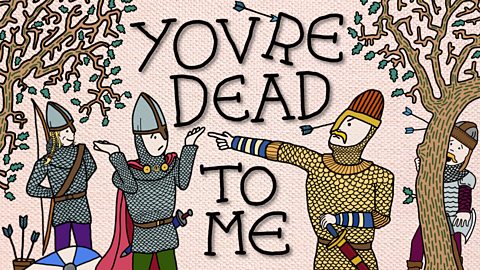
If you click here you will get to the website of the excellent Radio 4 programme – You’re dead to me. This is excellent enrichment for you on topics as diverse as Mary Seacole, the history of ice cream, and prohibition. It describes itself as follows.
You’re Dead To Me is a funny and factual podcast designed to delight both people who hated history at school and people who loved it. We combine hilarious comedians with PhD-wielding expert historians, and tackle subjects you think you know (but don’t), or ones you should know.
Pick what interests you, and when you listen, think about how effective arguments are constructed. Click here for your choice of the 97 available episodes. A good example can be found here. Greg Jenner (host), Dr Emma Southon (historian) and Sara Pascoe (comedian and all-round good person) discuss the important questions surrounding Queen Boudica including: Is she a feminist icon? How do you pronounce her name? And was she really ginger?
Mr Kydd.
Posted inEnrichment|Comments Off on Enrichment : Something to listen to. BBC Sounds – You’re dead to me…
In face as we return to school this post has two obituaries in it for two reformers who passed this summer.
Roy Hackett and Mikhail Gorbachev
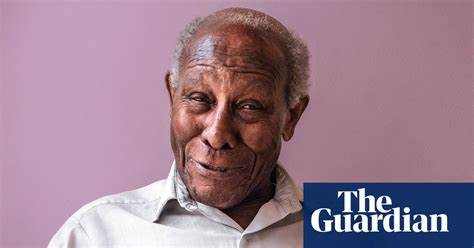
If you click here you will get to get to The Guardian’s obituary for Roy Hackett MBE – a leader of the Bristol Bus Boycott. It is perhaps a bit of British Civil Rights history that does not get the attention that it deserves outside Bristol.
In April 1963 Roy Hackett, who has died aged 93, stood in the middle of Fishponds Road in Bristol to block the entrance to the city’s main bus station. His mission, as one of the organisers of the Bristol bus boycott, was to draw attention to the Bristol Omnibus Company’srefusal to employ black and Asian people as conductors and drivers. The boycott, which Hackett planned with three fellow campaigners, Paul Stephenson, Owen Henry and Guy Reid-Bailey, lasted for four months until the company caved in. The rigidly enforced colour bar – which had been encouraged and supported by the Transport and General Workers’ Union – was perfectly legal. Hackett’s mobilisation is credited with helping to persuade Harold Wilson’s Labour government to introduce the first piece of anti-racist legislation in Britain: the Race Relations Act of 1965.
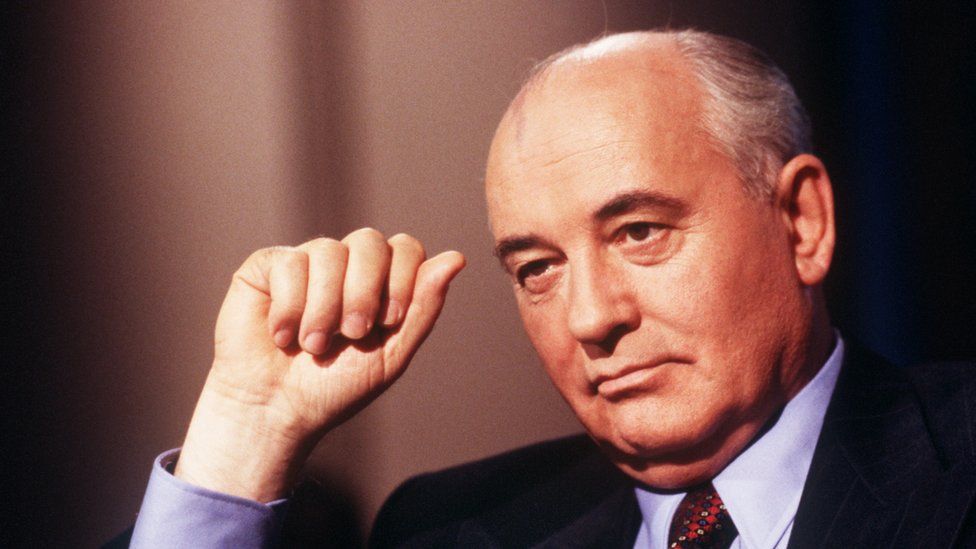
If you click here you will get to the BBC obituary for Mikhail Gorbachev: the leader who perhaps more than anyone else should be credited with the peaceful end of the Cold War.
Mikhail Gorbachev was one of the most influential political figures of the 20th Century. He presided over the dissolution of a Soviet Union that had existed for nearly 70 years and had dominated huge swathes of Asia and Eastern Europe.
Yet, when he set out his programme of reforms in 1985, his sole intention had been to revive his country’s stagnant economy and overhaul its political processes. His efforts became the catalyst for a series of events that brought an end to communist rule, not just within the USSR, but also across its former satellite states.
All the very best for your new term and new courses.
By overwhelming popular demand, I’ve created my definitive list of the final 6 Tory leadership candidates as wives of Henry VIII. It reflects the results of yesterday’s ballot.
Look out for it later this morning. When my Wi-Fi’s better.
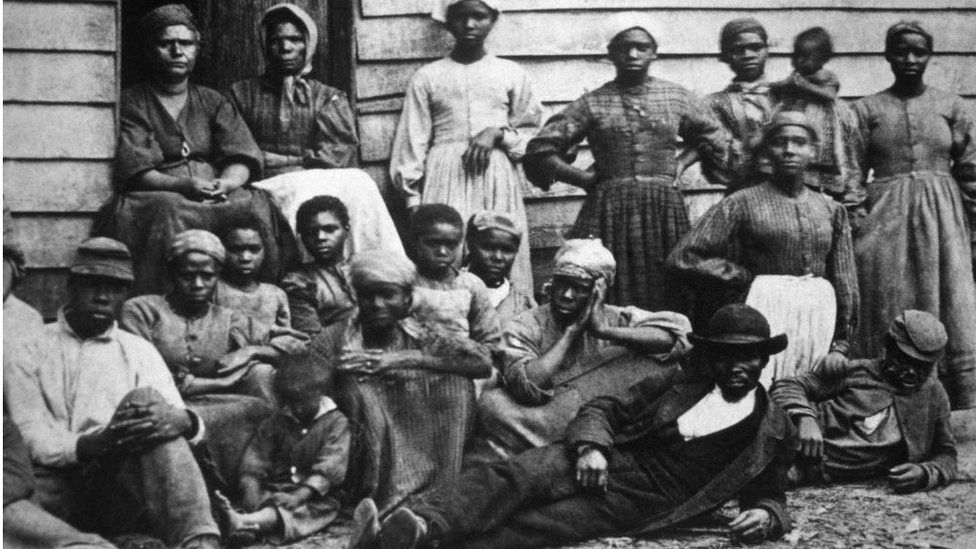
If you click here you will get to a BBC discussion of this issue. Have a read, and let me know what you think. I guess central to this sensitive topic is the question how far we should right the wrongs of our forefathers.
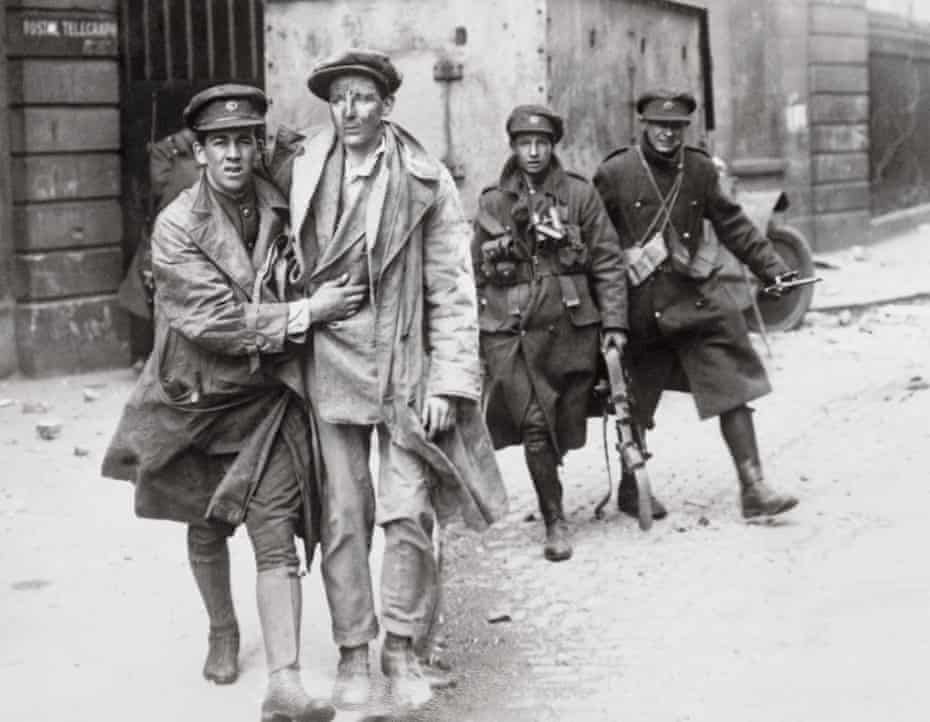
If you click here you will get to a Guardian article explaining how digital wizardry and academic sleuthing have helped recreate a cultural treasure severely damaged in the conflict in 1922. It is a good example of how technology is giving historians access to new evidence / lost materials.
Mr Kydd
Posted inhistory in the news|Comments Off on History in the News – Seven centuries of Irish archives painstakingly recreated after being destroyed in civil war…
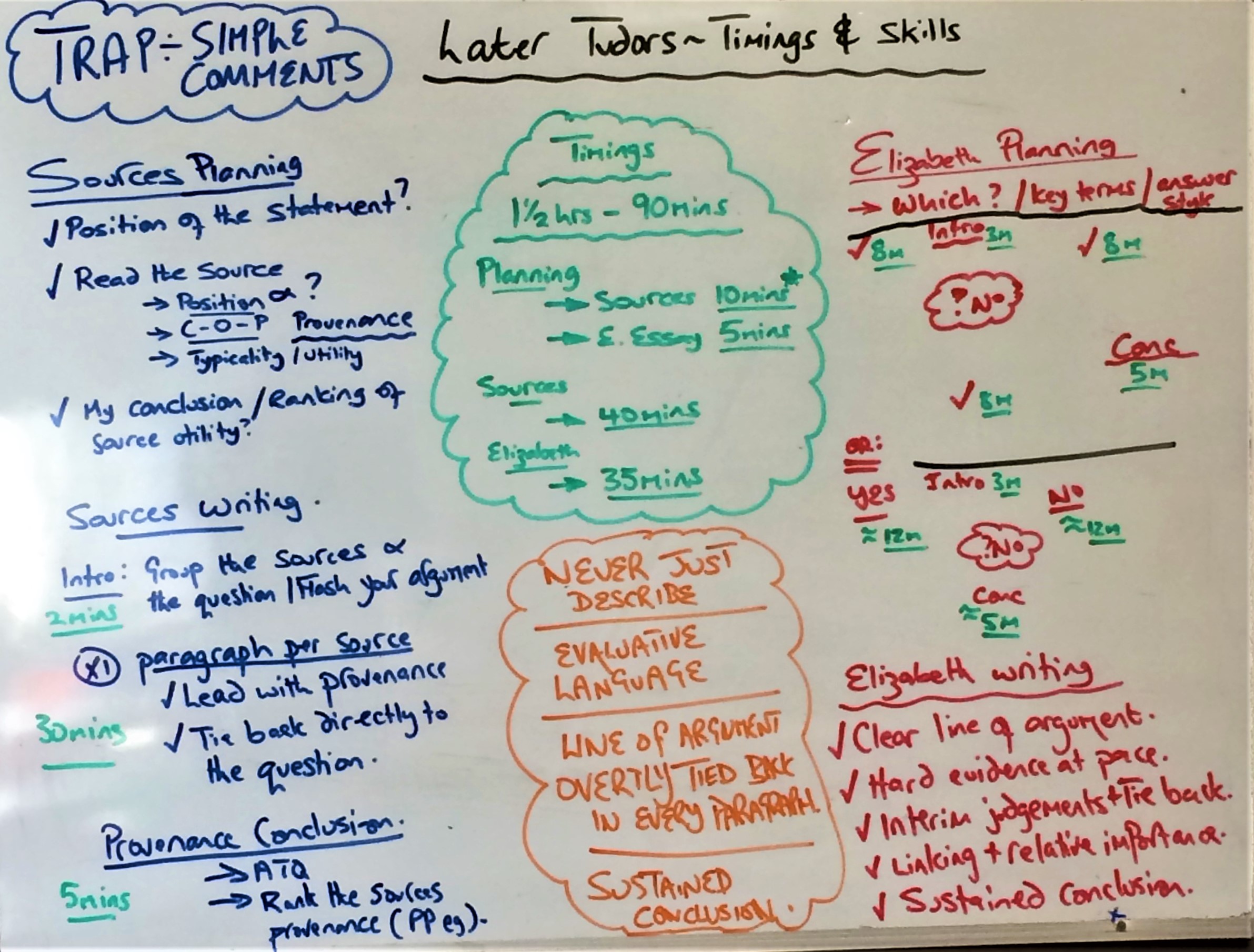
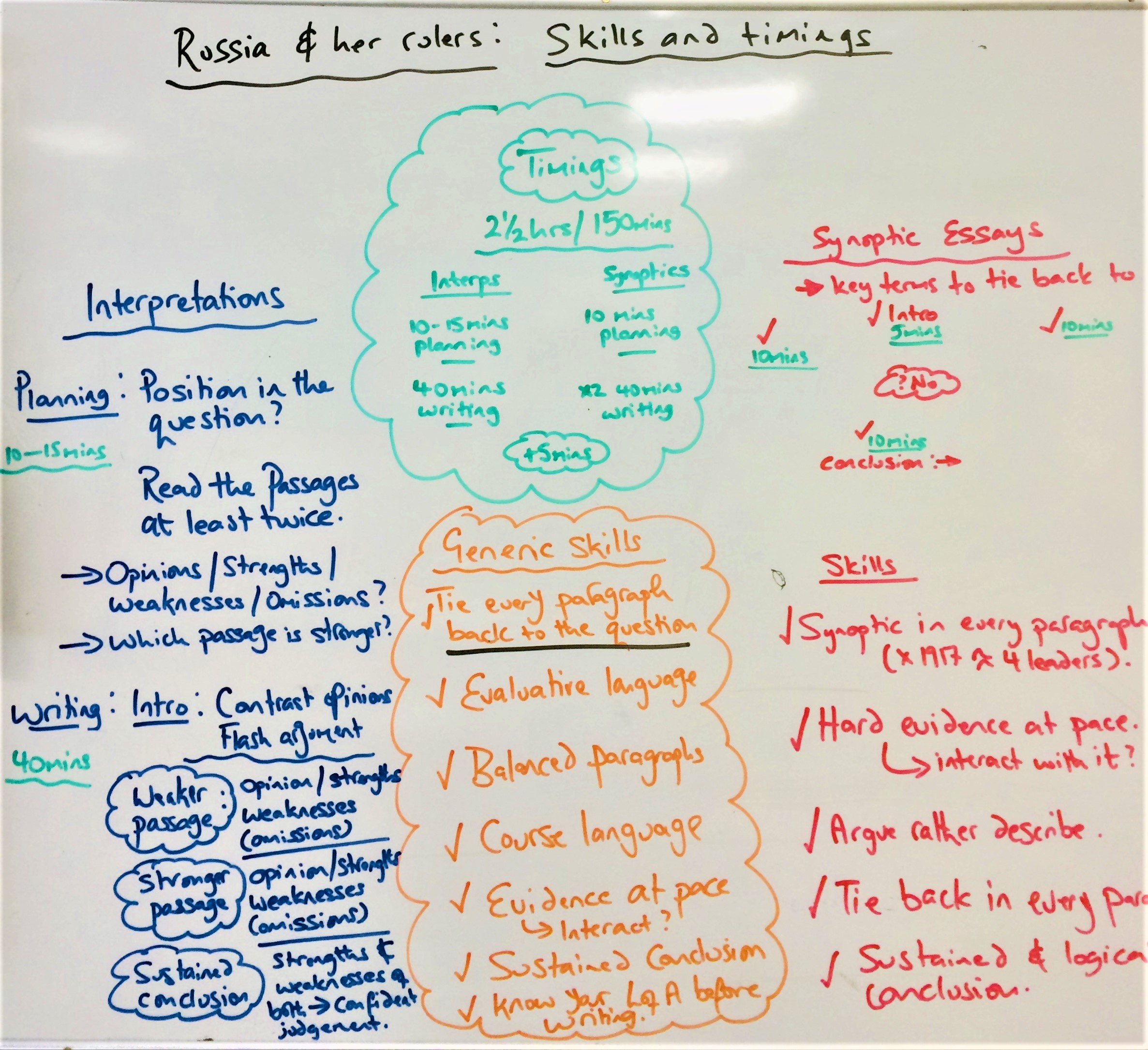
9.30 to 10.30 – Overview / What the examiners want 10.30 to 11.30 – Types of Stability of the Monarchy questions / walk through a paper Break 11.45 – 12.45 – Types of Elizabethan religion, parliament and government questions Lunch 1.15 – 2.30 – Walk through x2 questions of the students’ choice.
Tuesday 12th April – Timed mocks
Meet – 9.20 for a 9.30 start.
9.30 – 10.00 – Walk through the timings and techniques for Russia 10.00 – 12.30 – Russia Timed mock (with technique guidance on the board) Lunch 1.00 – 2.30 – Later Tudors Timed mock (with technique guidance on the board)
Posted inRevision|Comments Off on Easter revision details as promised